+86-15212299029
- All
- Product Name
- Product Keyword
- Product Model
- Product Summary
- Product Description
- Multi Field Search

Views: 220 Author: tcchems Publish Time: 2025-12-12 Origin: Site


Content Menu
● The Connection Between Vitamin E Oil and Breakouts
>> Can Vitamin E Oil Cause Breakouts?
>> Individual Skin Types and Reactions
● How to Use Vitamin E Oil Safely
>> 1. Dilute with a Carrier Oil
>> 5. Combine with Other Ingredients
● Alternatives to Vitamin E Oil
Vitamin E oil has long been celebrated in the skincare community for its numerous benefits, including its antioxidant properties, ability to moisturize, and potential to heal scars. However, many individuals wonder whether this oil might also contribute to breakouts. This article delves into the relationship between vitamin E oil and acne, exploring its effects, potential risks, and how to use it safely.
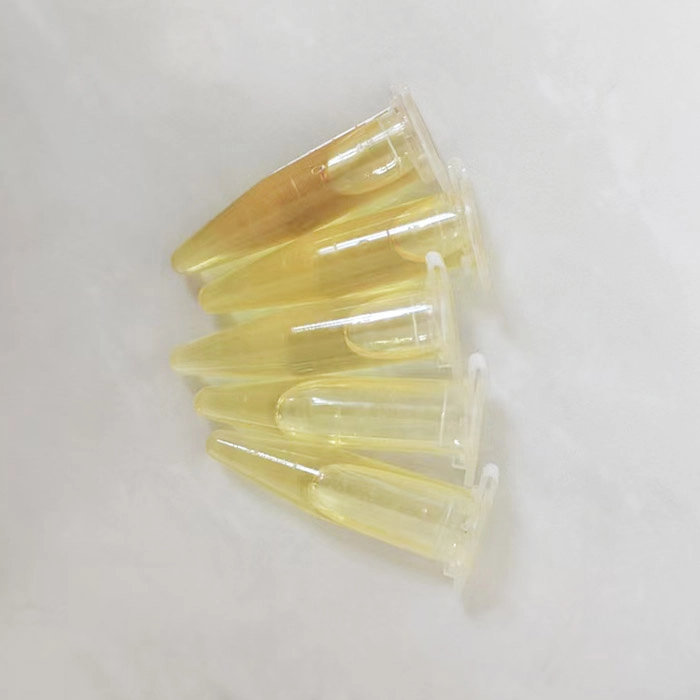
Vitamin E is a fat-soluble antioxidant that plays a crucial role in protecting cells from oxidative stress. It is found in various foods, including nuts, seeds, and green leafy vegetables, and is also available in topical forms, such as oils and creams. In skincare, vitamin E is often used for its moisturizing properties and its ability to promote skin healing.
1. Antioxidant Protection: Vitamin E helps neutralize free radicals, which can damage skin cells and accelerate aging.
2. Moisturization: It acts as an emollient, helping to keep the skin hydrated and soft.
3. Healing Properties: Vitamin E is known to aid in the healing of scars and may improve the appearance of skin after injury.
4. Anti-inflammatory Effects: It can help reduce inflammation, making it beneficial for conditions like eczema and psoriasis.
While vitamin E oil has many benefits, it can also lead to breakouts in some individuals. The relationship between vitamin E and acne is complex and can vary based on several factors.
One of the primary concerns with using vitamin E oil is its comedogenicity, which refers to the tendency of a substance to clog pores. Some studies suggest that vitamin E oil can be comedogenic, particularly for those with oily or acne-prone skin. When pores become clogged, it can lead to the formation of acne.
Individuals with sensitive skin may experience adverse reactions to vitamin E oil. Symptoms can include redness, itching, and swelling. If you have a history of skin sensitivities or allergies, it is advisable to perform a patch test before applying vitamin E oil to larger areas of your skin.
Vitamin E oil can oxidize when exposed to air and light, which can diminish its effectiveness and potentially lead to skin irritation. Oxidized vitamin E may generate free radicals, which can cause inflammation and exacerbate acne.
The impact of vitamin E oil on the skin can vary significantly from person to person. Factors such as skin type, existing skin conditions, and the presence of other ingredients in skincare products can influence whether vitamin E oil will cause breakouts.
For individuals with oily or acne-prone skin, using vitamin E oil may not be the best choice. The oil can add excess moisture, potentially leading to clogged pores and increased breakouts. It is often recommended that those with these skin types opt for non-comedogenic products.
Conversely, individuals with dry or sensitive skin may benefit from the moisturizing properties of vitamin E oil. It can help alleviate dryness and improve skin texture. However, caution is still advised, as some may experience irritation.
If you decide to incorporate vitamin E oil into your skincare routine, consider the following tips to minimize the risk of breakouts:
To reduce the potency of vitamin E oil, consider diluting it with a carrier oil, such as jojoba or almond oil. This can help prevent clogged pores while still providing the benefits of vitamin E.
Before applying vitamin E oil to your face, conduct a patch test on a small area of skin. This will help you determine if you have any adverse reactions to the oil.
Less is often more when it comes to oils. Use a small amount of vitamin E oil and monitor your skin's response. If you notice any signs of irritation or breakouts, discontinue use.
Opt for high-quality vitamin E oil that is free from additives and preservatives. Look for products labeled as "pure" or "natural" to minimize the risk of irritation.
Consider using vitamin E oil in conjunction with other beneficial ingredients, such as hyaluronic acid or salicylic acid, which can help balance oil production and prevent breakouts.
If you find that vitamin E oil does not work for your skin, there are several alternatives that can provide similar benefits without the risk of breakouts:
Jojoba oil is a lightweight oil that closely resembles the skin's natural sebum. It is non-comedogenic and can help regulate oil production while providing hydration.
Rich in essential fatty acids and antioxidants, rosehip oil is known for its ability to improve skin texture and reduce the appearance of scars without clogging pores.
Tea tree oil has natural antibacterial properties and can help combat acne. It is often used as a spot treatment for active breakouts.
Niacinamide is a form of vitamin B3 that can help reduce inflammation, regulate oil production, and improve skin texture. It is suitable for all skin types and can be found in various serums and creams.
Vitamin E oil can be a beneficial addition to many skincare routines, but it is not without its risks. While it offers numerous advantages, including antioxidant protection and moisturization, it can also lead to breakouts in some individuals, particularly those with oily or acne-prone skin. Understanding your skin type and how it reacts to different ingredients is crucial in determining whether vitamin E oil is right for you.
If you choose to use vitamin E oil, do so with caution, and consider diluting it or combining it with other non-comedogenic ingredients. Always listen to your skin and adjust your routine as needed to maintain a healthy complexion.
1. Can I use vitamin E oil on my face every day?
- It depends on your skin type. If you have oily or acne-prone skin, it may be best to use it sparingly. For dry or sensitive skin, daily use may be beneficial.
2. What are the signs of an allergic reaction to vitamin E oil?
- Symptoms can include redness, itching, swelling, and peeling skin. If you experience these, discontinue use immediately.
3. Is vitamin E oil safe for all skin types?
- While many people can use it safely, those with oily or acne-prone skin should be cautious, as it may clog pores.
4. How can I tell if my vitamin E oil has oxidized?
- Oxidized oil may have a rancid smell or a change in color. If you notice these signs, it's best to discard it.
5. What are some good alternatives to vitamin E oil for skincare?
- Alternatives include jojoba oil, rosehip oil, tea tree oil, and niacinamide, which can provide similar benefits without the risk of breakouts.
Hot Tags: China, Global, OEM, private label, manufacturers, factory, suppliers, manufacturing company


