+86-15212299029
- All
- Product Name
- Product Keyword
- Product Model
- Product Summary
- Product Description
- Multi Field Search

Views: 220 Author: tcchems Publish Time: 2026-01-23 Origin: Site


Content Menu
● Understanding Diammonium Phosphate
● Production of Diammonium Phosphate
● Uses of Diammonium Phosphate
>>> Soil Amendment
>>> Food Industry
>>> Fire Retardant
● Benefits of Using Diammonium Phosphate
>> Versatility
● Environmental Considerations
● Common Questions About Diammonium Phosphate
>> 1. What is the difference between diammonium phosphate and monoammonium phosphate?
>> 2. How should diammonium phosphate be applied to crops?
>> 3. Is diammonium phosphate safe for the environment?
>> 4. Can diammonium phosphate be used in organic farming?
>> 5. What are the signs of phosphorus deficiency in plants?
Diammonium phosphate (DAP) is a widely used chemical compound in agriculture and various industrial applications. It is a water-soluble salt that contains two ammonium ions and one phosphate ion. This compound is particularly valued for its high nutrient content, making it an essential fertilizer in modern farming practices. In this article, we will explore the properties, production, uses, and benefits of diammonium phosphate, as well as address some common questions related to this important compound.
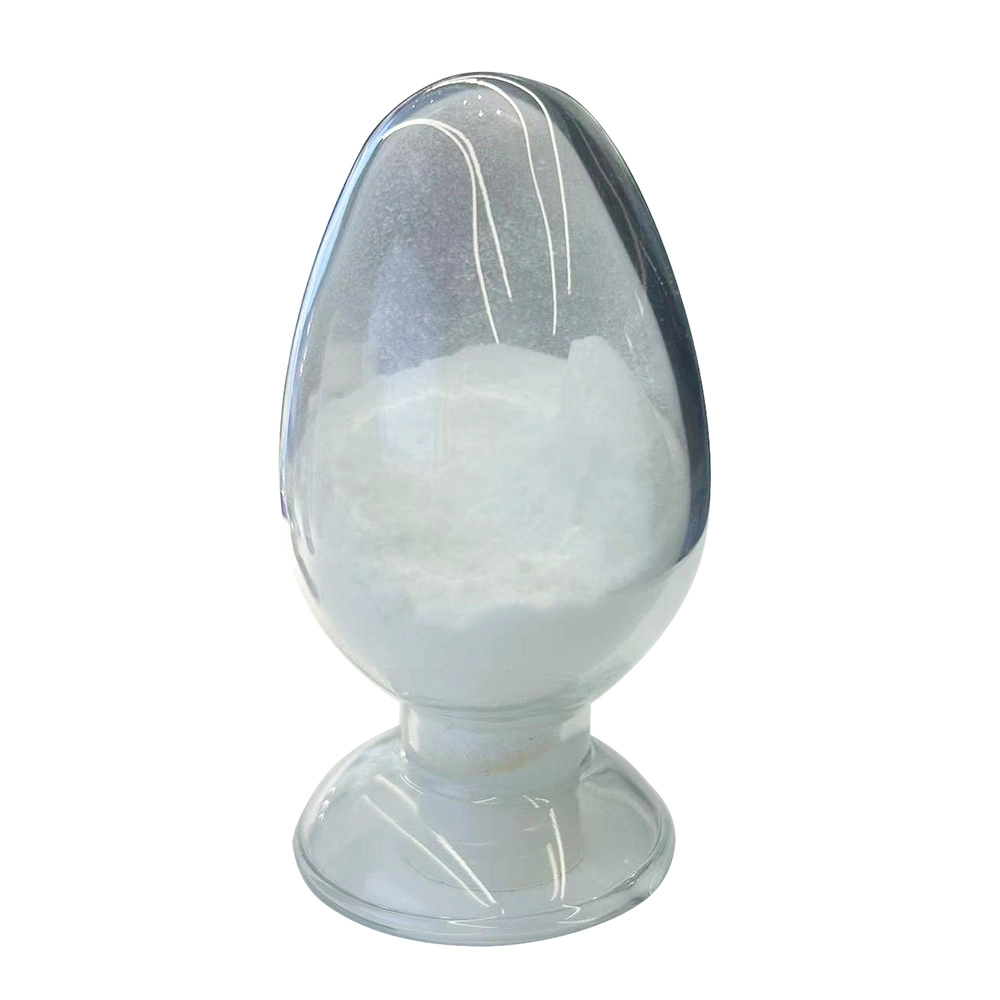
Diammonium phosphate is represented by the chemical formula (NH4)2HPO4. This formula indicates that each molecule of DAP consists of two ammonium ions (NH4+) and one hydrogen phosphate ion (HPO4^2-). The presence of both nitrogen and phosphorus in its structure makes DAP a highly effective fertilizer, as these two elements are crucial for plant growth.
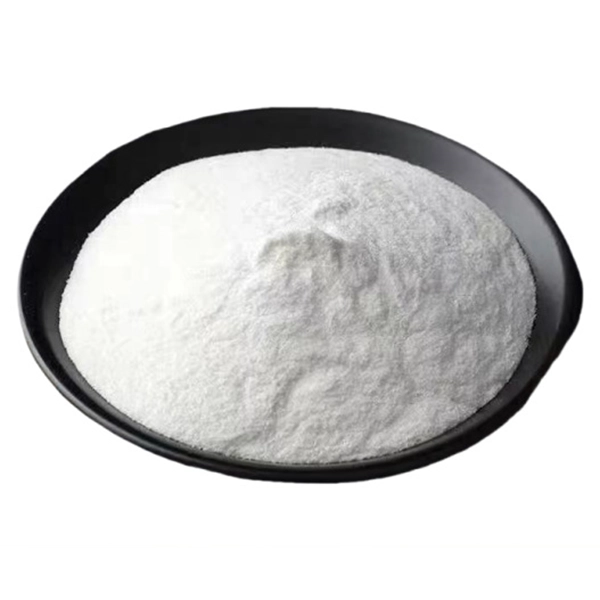
Diammonium phosphate appears as a white crystalline solid. It is hygroscopic, meaning it can absorb moisture from the air, which can affect its storage and handling. DAP has a relatively high solubility in water, which allows it to be easily absorbed by plants when applied to the soil. The compound has a pH of around 7, making it neutral and suitable for a wide range of soil types.
Diammonium phosphate is produced through a chemical reaction between ammonia and phosphoric acid. The process typically involves the following steps:
1. Ammonia Production: Ammonia is produced through the Haber-Bosch process, where nitrogen from the air is combined with hydrogen derived from natural gas.
2. Phosphoric Acid Production: Phosphoric acid is obtained from phosphate rock through a process called wet processing, which involves treating the rock with sulfuric acid.
3. Reaction: The ammonia is then reacted with phosphoric acid to form diammonium phosphate. This reaction can be represented as follows:
2NH3+H3PO4→(NH4)2HPO4
4. Crystallization: The resulting solution is concentrated and cooled to allow DAP to crystallize. The crystals are then filtered, dried, and packaged for distribution.
Diammonium phosphate is produced in large quantities worldwide, with major producers located in countries such as the United States, China, and India. The demand for DAP is driven primarily by the agricultural sector, where it is used to enhance crop yields.
Diammonium phosphate is primarily used as a fertilizer in agriculture. Its high nitrogen and phosphorus content makes it particularly effective for promoting plant growth. Here are some key applications:
DAP is commonly applied to a variety of crops, including cereals, vegetables, and fruits. It is often used in both pre-planting and side-dressing applications. The nitrogen in DAP supports vegetative growth, while phosphorus is essential for root development and flowering.
In addition to its use as a fertilizer, DAP can also improve soil quality. It helps to increase the nutrient content of the soil, making it more fertile and conducive to plant growth. This is especially important in soils that are deficient in phosphorus.
Beyond agriculture, diammonium phosphate has several industrial uses:
DAP is used as a food additive and a leavening agent in baking. It helps to improve the texture and volume of baked goods. Additionally, it is sometimes used in the production of processed cheese.
Diammonium phosphate is also employed as a fire retardant in various materials, including plastics and textiles. Its ability to release ammonia when heated helps to inhibit combustion.
One of the primary benefits of using DAP as a fertilizer is its ability to significantly enhance crop yields. The balanced nutrient profile of DAP ensures that plants receive the essential elements they need for optimal growth.
Regular application of DAP can lead to improved soil health over time. By increasing the availability of nutrients, DAP helps to create a more fertile environment for plants, which can lead to better crop performance.
Diammonium phosphate is versatile and can be used in various agricultural practices, including conventional, organic, and hydroponic farming. Its solubility in water makes it suitable for both dry and liquid fertilizer applications.
DAP is often considered a cost-effective fertilizer option due to its high nutrient content and efficiency in promoting plant growth. Farmers can achieve better yields with lower application rates compared to other fertilizers.
While diammonium phosphate is beneficial for crops, its use can also lead to environmental concerns, particularly regarding nutrient runoff. Excessive application of DAP can result in phosphorus leaching into water bodies, contributing to eutrophication and harmful algal blooms.
To mitigate environmental impacts, farmers are encouraged to adopt sustainable practices when using DAP. This includes soil testing to determine nutrient needs, applying the correct amounts, and using DAP in conjunction with other fertilizers to maintain a balanced nutrient profile.
Diammonium phosphate (DAP) contains two ammonium ions and one phosphate ion, while monoammonium phosphate (MAP) contains one ammonium ion and one phosphate ion. DAP has a higher nitrogen content compared to MAP, making it more suitable for certain crops.
DAP can be applied as a pre-planting fertilizer or as a side-dressing during the growing season. It is important to follow recommended application rates based on soil tests and crop requirements to avoid over-fertilization.
When used responsibly, diammonium phosphate is generally safe for the environment. However, excessive use can lead to nutrient runoff and water pollution. Sustainable practices should be employed to minimize these risks.
While DAP is not considered an organic fertilizer, it can be used in some organic farming systems where synthetic fertilizers are permitted. Farmers should check local regulations regarding its use in organic production.
Signs of phosphorus deficiency include stunted growth, dark green or purplish leaves, and poor root development. If these symptoms are observed, applying a phosphorus-rich fertilizer like DAP may help address the deficiency.
Diammonium phosphate is a vital compound in agriculture and various industries, known for its high nutrient content and effectiveness as a fertilizer. Its production process, applications, and benefits make it an essential tool for farmers seeking to enhance crop yields and improve soil health. However, responsible use is crucial to mitigate environmental impacts. By understanding the properties and applications of DAP, farmers and industry professionals can make informed decisions that benefit both their crops and the environment.
Hot Tags: China, Global, OEM, private label, manufacturers, factory, suppliers, manufacturing company


