+86-15212299029
- All
- Product Name
- Product Keyword
- Product Model
- Product Summary
- Product Description
- Multi Field Search

Views: 220 Author: tcchems Publish Time: 2025-11-15 Origin: Site


Content Menu
● Understanding the Ingredients
● Can You Use Niacinamide and Benzoyl Peroxide Together?
● Benefits of Combining Niacinamide and Benzoyl Peroxide
● Potential Side Effects and Considerations
In the world of skincare, the combination of ingredients can significantly impact the effectiveness of a regimen. Two popular ingredients that often come up in discussions about acne treatment are niacinamide and benzoyl peroxide. Both have their unique benefits, but many people wonder: can you mix niacinamide and benzoyl peroxide? This article will explore the compatibility of these two ingredients, their individual benefits, and how to incorporate them into your skincare routine effectively.
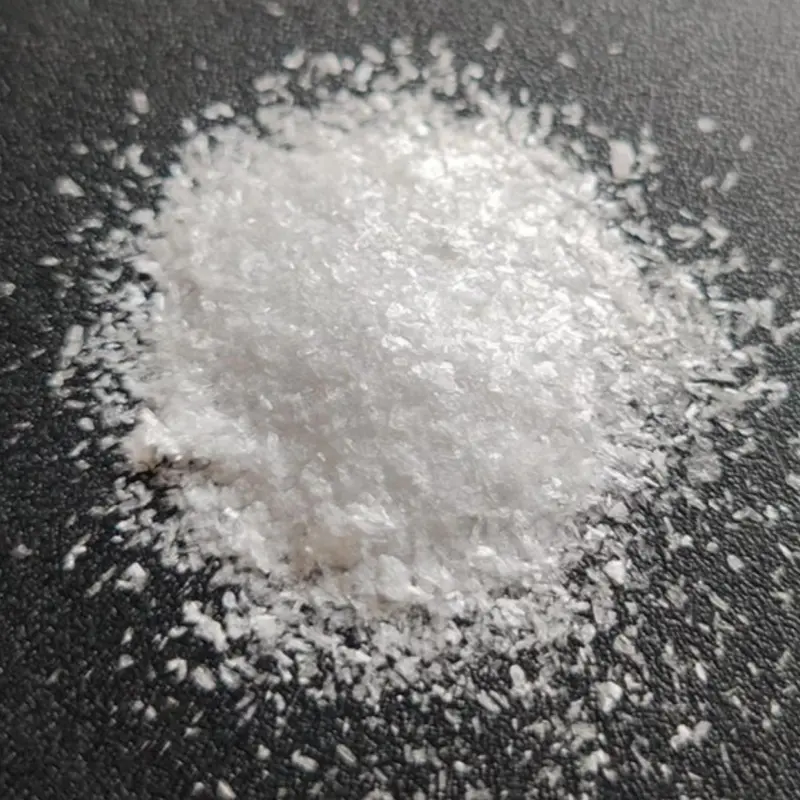
Niacinamide, also known as vitamin B3, is a water-soluble vitamin that offers numerous benefits for the skin. It is known for its ability to:
- Improve Skin Barrier Function: Niacinamide helps strengthen the skin's natural barrier, which can reduce moisture loss and improve overall hydration.
- Reduce Inflammation: It has anti-inflammatory properties that can help calm irritated skin, making it beneficial for those with acne or rosacea.
- Regulate Oil Production: Niacinamide can help balance oil production, which is particularly useful for oily and acne-prone skin.
- Minimize Pores: Regular use can lead to a reduction in the appearance of enlarged pores.
Benzoyl peroxide is a well-known topical treatment for acne. It works by:
- Killing Acne-Causing Bacteria: Benzoyl peroxide targets the bacteria responsible for acne, helping to reduce breakouts.
- Unclogging Pores: It helps to exfoliate the skin and clear out clogged pores, which can prevent new acne from forming.
- Reducing Inflammation: Similar to niacinamide, benzoyl peroxide has anti-inflammatory properties that can help reduce redness and swelling associated with acne.
For a long time, there was a belief that niacinamide and benzoyl peroxide should not be used together. This stemmed from the idea that benzoyl peroxide could oxidize niacinamide, rendering it ineffective. However, recent studies and expert opinions suggest otherwise.
Research indicates that when used correctly, niacinamide and benzoyl peroxide can actually complement each other. Niacinamide can help mitigate some of the drying effects of benzoyl peroxide, making it a beneficial addition to an acne treatment regimen.
If you decide to incorporate both niacinamide and benzoyl peroxide into your skincare routine, consider the following tips:
1. Layering: Apply benzoyl peroxide first, allowing it to absorb into the skin. After a few minutes, follow up with niacinamide. This method allows each ingredient to work effectively without interfering with one another.
2. Alternating Days: If you have sensitive skin, you might want to use them on alternate days. For example, use benzoyl peroxide one day and niacinamide the next. This approach can help minimize irritation while still reaping the benefits of both ingredients.
3. Start Slowly: If you are new to either ingredient, introduce them into your routine gradually. Start with lower concentrations and increase as your skin adjusts.
Using niacinamide alongside benzoyl peroxide can enhance the overall effectiveness of your acne treatment. While benzoyl peroxide works to eliminate acne-causing bacteria and unclog pores, niacinamide helps soothe the skin and reduce irritation, leading to clearer skin with less redness and dryness.
The combination of these two ingredients can also improve skin texture. Niacinamide's ability to strengthen the skin barrier and reduce inflammation complements benzoyl peroxide's exfoliating properties, resulting in smoother, healthier-looking skin.
Benzoyl peroxide can be quite drying, especially for those with sensitive skin. Niacinamide helps counteract this dryness by providing hydration and maintaining the skin's moisture balance. This is particularly important for individuals who struggle with both acne and dryness.
While combining niacinamide and benzoyl peroxide can be beneficial, it is essential to be aware of potential side effects:
- Irritation: Some individuals may experience irritation when using these ingredients together, especially if they have sensitive skin. If you notice redness, itching, or excessive dryness, consider reducing the frequency of use or consulting a dermatologist.
- Patch Testing: Before fully incorporating these ingredients into your routine, perform a patch test to ensure your skin does not react negatively.
- Consult a Professional: If you have concerns about using these ingredients together, or if you have specific skin conditions, it is always best to consult with a dermatologist for personalized advice.
In summary, you can mix niacinamide and benzoyl peroxide in your skincare routine. When used correctly, they can work together to provide a powerful approach to treating acne while maintaining skin health. By understanding how to layer these ingredients and being mindful of your skin's reactions, you can enjoy the benefits of both without compromising your skin's integrity.
1. Can I use niacinamide and benzoyl peroxide every day?
- Yes, but it's best to start slowly. You can use them daily if your skin tolerates it, but consider alternating days if you experience irritation.
2. What should I apply first, niacinamide or benzoyl peroxide?
- Apply benzoyl peroxide first, wait a few minutes for it to absorb, and then apply niacinamide.
3. Will using these two ingredients together cause irritation?
- It can cause irritation for some individuals, especially those with sensitive skin. Monitor your skin's response and adjust usage accordingly.
4. Can I use other active ingredients with niacinamide and benzoyl peroxide?
- Yes, but be cautious. Avoid using strong exfoliants or acids at the same time to prevent irritation.
5. Is it necessary to use a moisturizer when using benzoyl peroxide and niacinamide?
- Yes, using a moisturizer is recommended to help maintain hydration and support the skin barrier.
Hot Tags: China, Global, OEM, private label, manufacturers, factory, suppliers, manufacturing company


