+86-15212299029
- All
- Product Name
- Product Keyword
- Product Model
- Product Summary
- Product Description
- Multi Field Search

Views: 220 Author: tcchems Publish Time: 2025-12-07 Origin: Site


Content Menu
● Understanding Tranexamic Acid
>> Benefits of Tranexamic Acid
● The Compatibility of Tranexamic Acid and Vitamin C
>> Tips for Minimizing Irritation
>> 1. Can I use tranexamic acid and vitamin C every day?
>> 2. What is the best order to apply tranexamic acid and vitamin C?
>> 3. Are there any side effects of using tranexamic acid and vitamin C together?
>> 4. Can I use tranexamic acid and vitamin C with other active ingredients?
>> 5. How long does it take to see results from tranexamic acid and vitamin C?
The world of skincare is vast and ever-evolving, with new ingredients and combinations constantly being explored for their potential benefits. Among these, tranexamic acid and vitamin C have gained significant attention for their individual properties in treating skin concerns. This article delves into the compatibility of these two powerful ingredients, their benefits, and how to effectively incorporate them into your skincare routine.
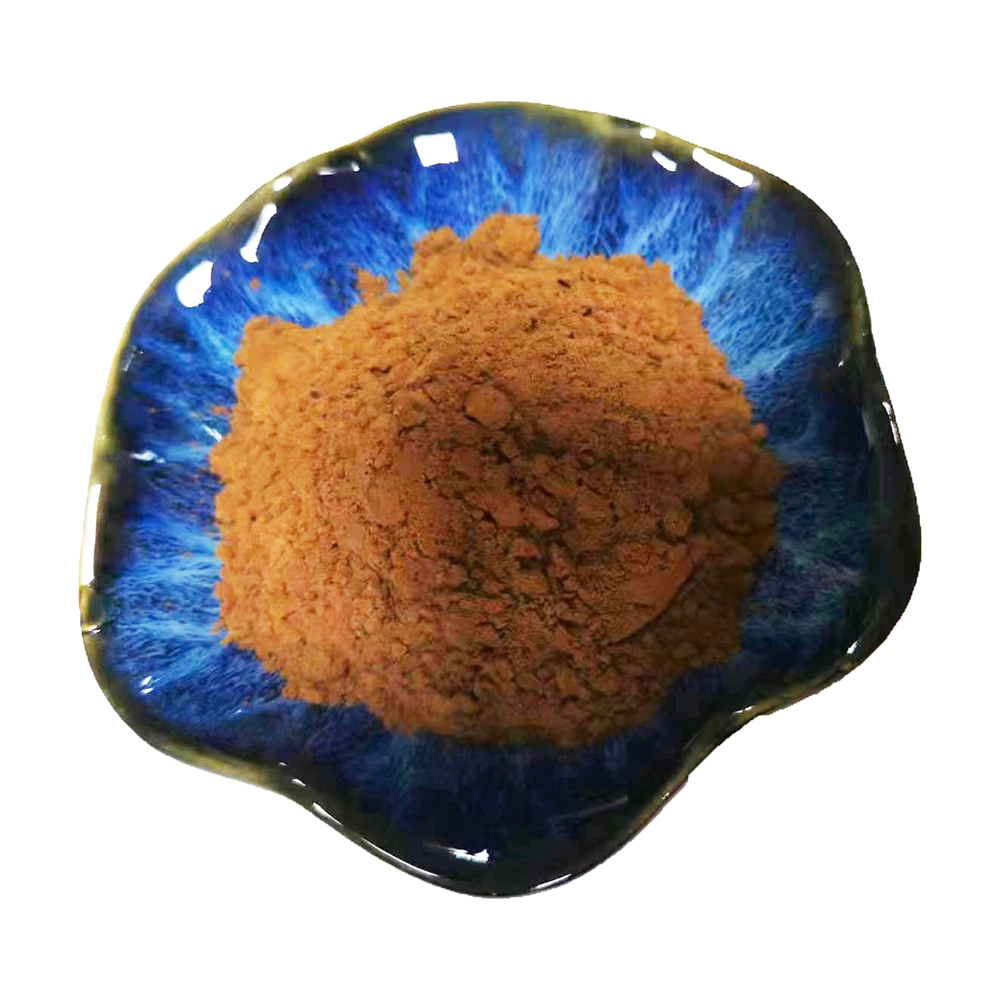
Tranexamic acid is a synthetic derivative of the amino acid lysine. Originally developed to treat excessive bleeding, it has found its way into dermatology due to its ability to reduce hyperpigmentation and melasma. Tranexamic acid works by inhibiting the interaction between melanocytes (the cells that produce melanin) and keratinocytes (the predominant cells in the outer layer of the skin), thereby reducing the production of melanin.
1. Reduces Hyperpigmentation: Tranexamic acid is particularly effective in treating melasma, a condition characterized by dark patches on the skin, often triggered by hormonal changes or sun exposure.
2. Brightens Skin Tone: By reducing melanin production, tranexamic acid can help achieve a more even skin tone, making it a popular choice for those looking to brighten their complexion.
3. Anti-Inflammatory Properties: Tranexamic acid also exhibits anti-inflammatory effects, which can help soothe irritated skin and reduce redness.
4. Safe for All Skin Types: Unlike some other treatments for hyperpigmentation, tranexamic acid is generally well-tolerated by all skin types, including sensitive skin.
Vitamin C, or ascorbic acid, is a potent antioxidant that plays a crucial role in skin health. It is essential for collagen synthesis, which helps maintain skin elasticity and firmness. Additionally, vitamin C is known for its brightening properties and its ability to protect the skin from environmental damage.
1. Brightening Effect: Vitamin C is renowned for its ability to brighten the skin and reduce the appearance of dark spots and uneven skin tone.
2. Antioxidant Protection: As an antioxidant, vitamin C helps neutralize free radicals, which can cause premature aging and skin damage.
3. Collagen Production: Vitamin C stimulates collagen production, which is vital for maintaining skin structure and reducing the appearance of fine lines and wrinkles.
4. Sun Damage Repair: While it is not a substitute for sunscreen, vitamin C can help mitigate the effects of sun damage and improve the skin's overall appearance.
The question of whether tranexamic acid and vitamin C can be used together is a common one among skincare enthusiasts. The good news is that these two ingredients can complement each other effectively. While tranexamic acid works to reduce melanin production, vitamin C enhances skin brightness and provides antioxidant protection. Together, they can create a powerful synergy that addresses multiple skin concerns.
1. Layering: When using both ingredients, it is essential to apply them in the correct order. Start with tranexamic acid, allowing it to absorb into the skin before applying vitamin C. This method ensures that each ingredient can work effectively without interference.
2. Formulation: Look for products that combine both ingredients in their formulation. Many skincare brands have started to create serums and creams that feature tranexamic acid and vitamin C together, providing a convenient option for users.
3. Patch Testing: As with any new skincare combination, it is advisable to perform a patch test before fully incorporating both ingredients into your routine. This step helps to ensure that your skin does not react negatively to the combination.
While both tranexamic acid and vitamin C are generally safe for most skin types, some individuals may experience mild irritation or sensitivity, especially when first introducing these ingredients into their routine. It is crucial to monitor your skin's response and adjust usage accordingly.
1. Start Slowly: If you are new to either ingredient, start by using them on alternate days to allow your skin to acclimate.
2. Moisturize: Always follow up with a good moisturizer to help maintain skin hydration and barrier function.
3. Sun Protection: Since both ingredients can increase skin sensitivity, especially vitamin C, it is vital to use sunscreen during the day to protect your skin from UV damage.
In conclusion, tranexamic acid and vitamin C can be effectively used together to enhance skin brightness, reduce hyperpigmentation, and provide antioxidant protection. By understanding how to incorporate these ingredients into your skincare routine, you can achieve a more radiant and even complexion. Always remember to listen to your skin and adjust your routine as needed to ensure the best results.

Yes, you can use both ingredients daily, but it is advisable to start slowly and monitor your skin's response.
Apply tranexamic acid first, allow it to absorb, and then follow with vitamin C.
Some individuals may experience mild irritation or sensitivity. It is essential to patch test and start slowly.
Yes, but be cautious with potent actives like retinol or AHAs/BHAs. Introduce them gradually to avoid irritation.
Results can vary, but many users notice improvements in skin tone and brightness within 4-6 weeks of consistent use.
Hot Tags: China, Global, OEM, private label, manufacturers, factory, suppliers, manufacturing company


