+86-15212299029
- All
- Product Name
- Product Keyword
- Product Model
- Product Summary
- Product Description
- Multi Field Search

Views: 220 Author: tcchems Publish Time: 2025-11-29 Origin: Site


Content Menu
● The Connection Between Vitamin E Oil and Acne
>> Comedogenicity of Vitamin E Oil
>> How Vitamin E Oil Affects Oily Skin
>> Potential Benefits of Vitamin E Oil
● Recommendations for Using Vitamin E Oil
● Alternatives to Vitamin E Oil for Acne-Prone Skin
>> Niacinamide
>> Tea Tree Oil
Vitamin E oil has gained popularity in skincare for its purported benefits, including moisturizing properties and antioxidant effects. However, there is ongoing debate about whether it can contribute to acne breakouts. This article explores the relationship between vitamin E oil and acne, examining its properties, potential effects on the skin, and recommendations for use.
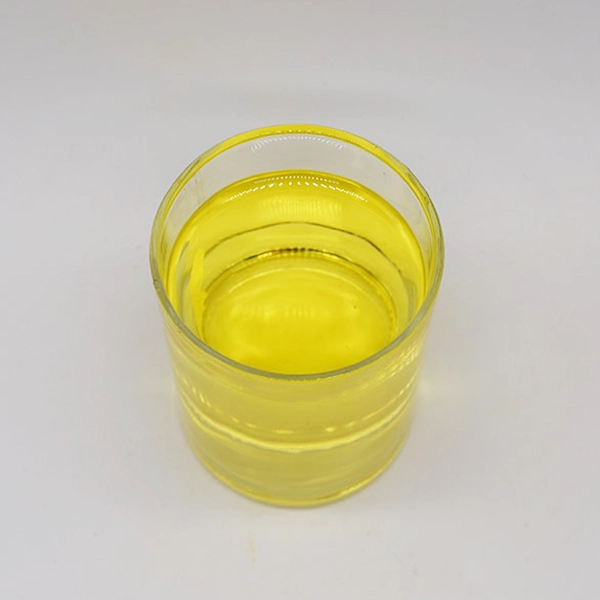
Vitamin E is a fat-soluble antioxidant that plays a crucial role in protecting cells from oxidative stress. It is found in various foods, including nuts, seeds, and green leafy vegetables. In skincare, vitamin E is often used for its moisturizing and healing properties, making it a common ingredient in lotions, creams, and oils.
Vitamin E exists in several forms, with alpha-tocopherol being the most common in skincare products. Other forms include beta, gamma, and delta-tocopherols, each with unique properties. When used in skincare, vitamin E is typically derived from natural sources or synthesized for commercial products.
Comedogenicity refers to the tendency of a substance to clog pores, which can lead to acne. Pure vitamin E oil has a high comedogenic rating, meaning it has the potential to block pores, especially in individuals with oily or acne-prone skin. When pores become clogged with oil and dead skin cells, it can create an environment conducive to acne development.
For those with oily skin, applying vitamin E oil can exacerbate existing acne or trigger new breakouts. The thick, heavy consistency of the oil can trap sebum and bacteria beneath the skin's surface, leading to inflammation and infection. Therefore, individuals with oily or acne-prone skin should approach the use of vitamin E oil with caution.
Despite its potential drawbacks, vitamin E oil can offer benefits for certain skin types. It is known for its anti-inflammatory properties, which can help soothe irritated skin. Additionally, vitamin E can aid in the healing of scars and promote overall skin health. For individuals with dry or sensitive skin, vitamin E oil may provide much-needed moisture without causing breakouts.
Before incorporating vitamin E oil into your skincare routine, it is essential to perform a patch test. Apply a small amount of the oil to a discreet area of skin and monitor for any adverse reactions over 24 hours. This step is particularly important for those with sensitive or reactive skin.
To reduce the risk of breakouts, consider diluting vitamin E oil with a carrier oil, such as jojoba or almond oil. This can help to lessen the oil's comedogenic effects while still providing its beneficial properties. A general guideline is to mix a few drops of vitamin E oil with a tablespoon of carrier oil before application.
When applying vitamin E oil, use a thin layer and avoid areas prone to acne, such as the T-zone. Focus on dry patches or areas needing extra moisture. Allow the oil to absorb fully before applying other products to prevent clogging pores.
If you are concerned about the potential for vitamin E oil to cause breakouts, consider alternative ingredients known for their acne-fighting properties:
Salicylic acid is a beta hydroxy acid (BHA) that penetrates pores to exfoliate and reduce inflammation. It is effective for treating acne and preventing future breakouts.
Benzoyl peroxide is an antibacterial agent that helps to kill acne-causing bacteria and reduce inflammation. It is commonly found in over-the-counter acne treatments.
Niacinamide, or vitamin B3, is known for its anti-inflammatory properties and ability to regulate oil production. It can help improve skin texture and reduce the appearance of pores.
Tea tree oil is a natural antiseptic with antibacterial properties. It can be effective in treating mild to moderate acne when used in diluted form.
In summary, while vitamin E oil has many benefits for skin health, it may not be suitable for everyone, particularly those with oily or acne-prone skin. Its high comedogenicity can lead to clogged pores and breakouts. If you choose to use vitamin E oil, consider diluting it with a carrier oil and performing a patch test to minimize the risk of adverse reactions. For those concerned about acne, exploring alternative treatments may be a more effective approach.
1. Can vitamin E oil help with acne scars?
- Yes, vitamin E oil may help improve the appearance of acne scars due to its moisturizing and healing properties.
2. Is vitamin E oil suitable for all skin types?
- Not necessarily. While it can benefit dry and sensitive skin, those with oily or acne-prone skin should use it cautiously due to its comedogenic nature.
3. How should I apply vitamin E oil?
- Apply a thin layer to clean skin, preferably diluted with a carrier oil, and avoid areas prone to acne.
4. What are some alternatives to vitamin E oil for acne treatment?
- Alternatives include salicylic acid, benzoyl peroxide, niacinamide, and tea tree oil.
5. Can I use vitamin E oil daily?
- It depends on your skin type. If you have oily or acne-prone skin, it may be best to use it sparingly or not at all.
Hot Tags: China, Global, OEM, private label, manufacturers, factory, suppliers, manufacturing company


