+86-15212299029
- All
- Product Name
- Product Keyword
- Product Model
- Product Summary
- Product Description
- Multi Field Search

Views: 220 Author: tcchems Publish Time: 2025-12-02 Origin: Site


Content Menu
● The Benefits of Vitamin E Oil for Skin
>> Hydration and Moisture Retention
● Can Vitamin E Oil Cause Acne?
● How to Use Vitamin E Oil Safely
● Alternatives to Vitamin E Oil
>> Incorporating Vitamin E in Other Forms
Vitamin E oil is often hailed as a miracle ingredient in skincare, known for its antioxidant properties and ability to promote skin healing. However, there is a growing debate about whether this oil can contribute to acne breakouts. In this article, we will explore the relationship between vitamin E oil and acne, examining its benefits, potential drawbacks, and how to use it effectively in your skincare routine.
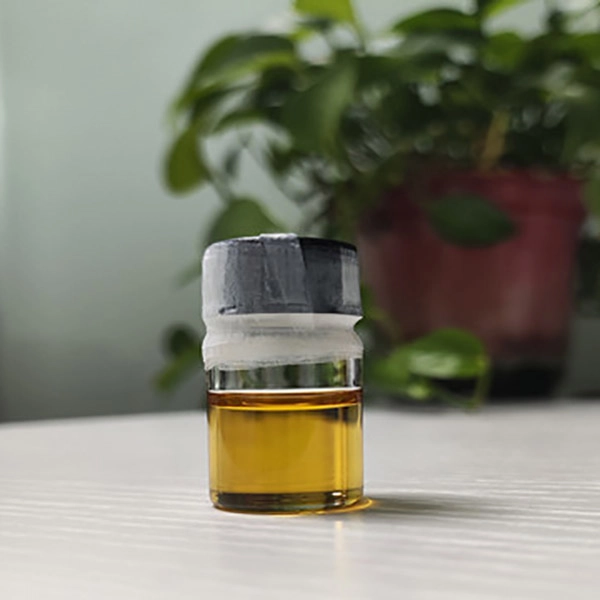
Vitamin E is a fat-soluble antioxidant that plays a crucial role in protecting cells from oxidative stress. It is found in various foods, including nuts, seeds, and green leafy vegetables, and is also available in supplement form. In skincare, vitamin E is often used for its moisturizing properties and its ability to improve skin texture.
Vitamin E comes in several forms, with tocopherol and tocotrienol being the most common. Tocopherol is the most widely used form in skincare products due to its stability and effectiveness. When applied topically, vitamin E can help to hydrate the skin, reduce inflammation, and promote healing.
One of the primary benefits of vitamin E oil is its ability to hydrate the skin. It forms a barrier on the skin's surface, preventing moisture loss and keeping the skin soft and supple. This is particularly beneficial for individuals with dry or dehydrated skin.
Vitamin E is a powerful antioxidant that helps to neutralize free radicals, which can cause premature aging and skin damage. By protecting the skin from oxidative stress, vitamin E can help maintain a youthful appearance and improve overall skin health.
Vitamin E oil is known for its healing properties, making it a popular choice for treating scars, burns, and other skin injuries. It can promote the regeneration of skin cells and improve the appearance of scars over time.
Despite its many benefits, there is a concern that vitamin E oil may contribute to acne breakouts in some individuals. This is primarily due to its heavy, oily texture, which can clog pores and lead to the formation of comedones (clogged hair follicles).
The impact of vitamin E oil on acne can vary significantly depending on an individual's skin type. For those with oily or acne-prone skin, the use of heavy oils can exacerbate existing issues. Conversely, individuals with dry or sensitive skin may find that vitamin E oil helps to soothe and hydrate their skin without causing breakouts.
Before incorporating vitamin E oil into your skincare routine, it is essential to perform a patch test. Apply a small amount of the oil to a discreet area of skin and monitor for any adverse reactions over 24 to 48 hours. This can help determine whether your skin is sensitive to the oil and whether it may trigger acne.
If you are concerned about the potential for vitamin E oil to cause acne, consider diluting it with a carrier oil. Oils such as jojoba or grapeseed oil are lighter and less comedogenic, making them suitable for acne-prone skin. Mixing vitamin E oil with a carrier oil can help reduce its thickness while still providing the benefits of vitamin E.
When applying vitamin E oil, use a small amount and focus on areas that require extra hydration or healing. Avoid applying it all over the face, especially if you have oily or acne-prone skin. Instead, target specific areas, such as dry patches or scars.
Start by using vitamin E oil sparingly, perhaps once or twice a week, and observe how your skin reacts. If you do not experience any adverse effects, you can gradually increase the frequency of use. However, if you notice any signs of breakouts, it may be best to discontinue use.
If vitamin E oil does not suit your skin, there are several alternatives that can provide similar benefits without the risk of clogging pores. Some options include:
- Jojoba Oil: Mimics the skin's natural sebum and is non-comedogenic.
- Rosehip Oil: Rich in essential fatty acids and antioxidants, it helps improve skin texture and reduce scars.
- Argan Oil: Lightweight and hydrating, it is suitable for all skin types.
Instead of using pure vitamin E oil, consider incorporating it into your routine through products that contain vitamin E as an ingredient. Many moisturizers, serums, and sunscreens include vitamin E, allowing you to benefit from its properties without the heaviness of the oil.
Vitamin E oil can be a beneficial addition to many skincare routines, offering hydration, antioxidant protection, and healing properties. However, it is essential to consider your skin type and potential reactions before using it, especially if you are prone to acne. By understanding how to use vitamin E oil safely and exploring alternatives, you can achieve healthy, glowing skin without the risk of breakouts.
1. Can vitamin E oil help with acne scars?
Yes, vitamin E oil can promote healing and improve the appearance of acne scars over time.
2. Is vitamin E oil suitable for all skin types?
While it can benefit many skin types, those with oily or acne-prone skin should use it cautiously, as it may clog pores.
3. How often should I use vitamin E oil?
Start with once or twice a week and adjust based on your skin's response.
4. What are some alternatives to vitamin E oil?
Alternatives include jojoba oil, rosehip oil, and argan oil, which are lighter and less likely to clog pores.
5. Can I use vitamin E oil on my face?
Yes, but it is best to apply it sparingly and avoid areas prone to breakouts.
Hot Tags: China, Global, OEM, private label, manufacturers, factory, suppliers, manufacturing company


