+86-15212299029
- All
- Product Name
- Product Keyword
- Product Model
- Product Summary
- Product Description
- Multi Field Search

Views: 220 Author: tcchems Publish Time: 2025-10-24 Origin: Site


Content Menu
● Understanding Hyaluronic Acid: The Basics
● Matrix of Formulations: Serum vs. Cream
● How Serums Work Differently from Creams
● Skin Type and Climate Considerations
● Ingredient Synergy and Layering
● Application Technique and Timing
● Common Myths and Misconceptions
● Selecting a Hyaluronic Acid Serum
● Selecting a Hyaluronic Acid Cream
● Combining Serum and Cream for Maximum Hydration
● Safety and Sensitivity Considerations
● Practical Tips for Your Routine
● FQAS
Hyaluronic acid has become a staple in many skincare routines, celebrated for its ability to hydrate and plump the skin. When deciding how to incorporate this ingredient, many people wonder whether a serum or a cream is more suitable for their needs. This article explores the differences between hyaluronic acid serum and cream, how they work, what to expect in terms of results, and how to choose between them or use them together for maximum benefit.
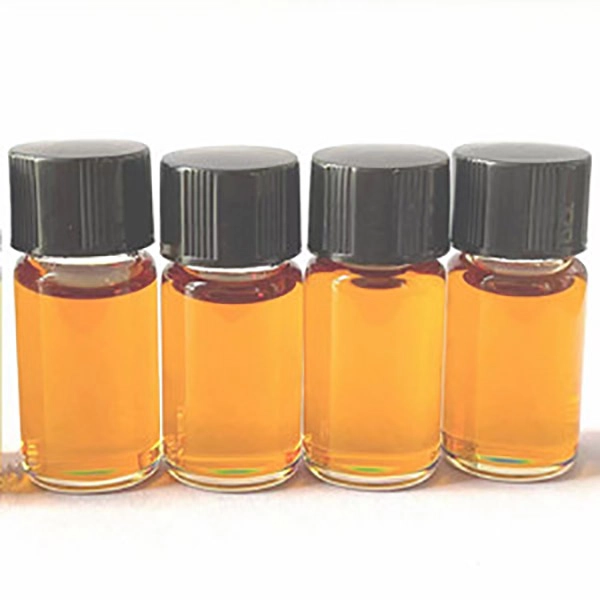
Hyaluronic acid is a humectant, meaning it attracts and holds onto water. In the skin, it helps maintain moisture and can contribute to a smoother, more supple appearance. The molecule exists in various sizes, and different formulations can deliver benefits at different skin layers. When used correctly, hyaluronic acid can improve hydration, improve the look of fine lines, and support a healthier skin barrier.
Serums are typically lightweight, fast-absorbing liquids that deliver high concentrations of active ingredients. Hyaluronic acid serums are designed to penetrate the skin quickly, providing surface hydration and contributing to a more hydrated feel soon after use. Creams, on the other hand, are thicker emollients that provide occlusion, locking in moisture and offering a barrier of protection. Hyaluronic acid can be part of creams as well, but when labeled as a serum, the focus is often on delivering a potent, readily absorbed hydration boost.
Serums work primarily to deliver concentrated hyaluronic acid to the epidermis, where it can begin hydrating cells rapidly. They usually have a lighter texture and are intended to be applied to clean skin before moisturizers. Creams act as a sealant, creating a protective layer that minimizes water loss from the skin. When hyaluronic acid is included in a cream, you get both hydration and occlusion, which can be especially beneficial in dry climates or during colder months.
- Oily or combination skin: A hyaluronic acid serum can be an excellent option, as it provides hydration without adding heaviness. It can be layered under a lightweight moisturizer to maintain balance.
- Dry or mature skin: A hyaluronic acid cream can offer more sustained hydration due to its occlusive properties. A gel-cream hybrid can also be a good fit, combining lightness with lasting moisture.
- Humid climates: Serums may suffice for daily hydration, while creams can feel heavy in heat.
- Dry climates or winter months: Creams with added emollients and occlusives help protect against moisture loss, often working well with hyaluronic acid serums used beforehand.
To maximize results, consider how hyaluronic acid interacts with other ingredients. Serums containing hyaluronic acid often pair well with vitamin C, peptides, and antioxidants to support skin brightness and resilience. Creams with hyaluronic acid can include ceramides, squalane, glycerin, and fatty acids to reinforce the skin barrier. Layering approach:
- Cleanse
- Hyaluronic acid serum
- Lightweight moisturizer or gel-cream
- Rich cream or oil if needed for extra barrier support
For optimal hydration, apply hyaluronic acid to slightly damp skin. The humectant properties of hyaluronic acid mean that it can draw water into the skin if moisture is present. If the skin is dry, applying to dry skin may not yield the maximum plumping effect and could feel sticky. Allow the serum to absorb fully before applying a moisturizer to seal in hydration.
- More hyaluronic acid equals better results: The key is proper formulation, concentration, and pairing with the right humectants and occlusives. Overloading the skin with high concentrations can occasionally cause irritation in sensitive individuals.
- Hyaluronic acid attracts water only from the air: In practice, it draws water from the environment and from the deeper layers of the skin, depending on humidity. Having a good moisturizer helps lock in the hydration achieved by the serum.
- Serums dry the skin due to stripping ingredients: High-quality serums are formulated to moisturize and hydrate, not strip. If a serum leaves the skin tight or flaky, it may be due to why the product interacts with your skin type or other ingredients used.
When choosing a serum, look for:
- A clear, lightweight texture without heavy silicones that can sit on the surface.
- A concentration range that suits your skin, usually within a modest percentage for daily use.
- Compatibility with your skin type and other products in your routine.
- A formula that includes additional hydrating ingredients like glycerin or panthenol to boost moisture retention.
Look for:
- A rich or balanced texture that suits your climate and skin type.
- Occlusive ingredients such as ceramides, emollients, or natural oils to reduce water loss.
- A formulation that supports barrier repair, especially if you have sensitivity or dry conditions.
- Packaging that preserves stability, as some hyaluronic acid formulations can be sensitive to air and light.
For many people, using both formats within the same routine can offer the best of both worlds:
- Apply the hyaluronic acid serum first to deliver deep hydration quickly.
- Follow with a cream to seal in moisture and provide long-lasting hydration.
- In very dry or harsh environments, you may also add a thin layer of oil on top of the cream to create an extra barrier.
- Normal skin with seasonal dryness: Use hyaluronic acid serum daily, then apply a light moisturizer with ceramides.
- Dry skin in winter: Incorporate a hyaluronic acid serum in the morning and a richer cream at night, possibly layering a facial oil afterwards.
- Oily skin: Use a hyaluronic acid serum twice daily with a gel-based moisturizer to maintain hydration without heaviness.
Most people tolerate hyaluronic acid well, but some may experience mild irritation or redness, especially if using concentrated formulas or combining with potent actives. If you have sensitive skin, start with a patch test and introduce one new product at a time to monitor reactions. If irritation occurs, discontinue use and consult a dermatologist.
- Texture: Serums are lightweight and fast-absorbing; creams are thicker and occlusive.
- Hydration mechanism: Serums hydrate on contact and attract moisture; creams seal in moisture and create a protective barrier.
- Use-case emphasis: Serums focus on delivering actives quickly; creams focus on lasting moisture and barrier support.
- Layering approach: Serums are applied before moisturizers; creams can stand alone or be used after a serum for enhanced hydration.
- Climate and skin type suitability: Serums often suit oily and combination skin; creams suit dry and mature skin or harsh climates.
- Always apply to damp skin for best hydration.
- If you're new to hyaluronic acid, start with a lightweight serum to gauge tolerance.
- Pair with a broad-spectrum sunscreen during the day to protect your skin.
- Store products in a cool, dry place away from direct sunlight to preserve formulation integrity.
- How does hyaluronic acid work in serums versus creams?
- Can hyaluronic acid help with fine lines and wrinkles?
- Is it safe to use hyaluronic acid with retinoids or vitamin C?
- How often should I use hyaluronic acid serum or cream?
- Do I need to use both serum and cream to see results?
- Will hyaluronic acid cause breakouts on sensitive skin?
- Can hyaluronic acid draw moisture from the air in dry environments?
What's the Difference Between Hyaluronic Acid Serum and Cream? In brief, serums deliver concentrated hydration with a lightweight footprint, while creams provide longer-lasting moisture and act as a moisture barrier. Your choice depends on skin type, climate, and personal preference. For many people, using both in a well-structured routine yields the best results, combining fast-acting hydration with sustained moisture protection.

- Hyaluronic acid is a humectant that attracts water to the skin. It helps hydrate and may improve the appearance of fine lines when used consistently.
- Can hyaluronic acid be used with vitamin C? Yes, many formulations combine hyaluronic acid with vitamin C to support hydration and brightening benefits.
- What concentration of hyaluronic acid is typical in serums? Serums commonly range from around 0.1% to 2% hyaluronic acid, with higher concentrations used by some brands for specific needs.
- Is a patch test recommended? Yes, especially for sensitive skin or when trying a new brand, to minimize the risk of irritation.
- Do you need a moisturizer after hyaluronic acid? It's usually beneficial to apply a moisturizer after to lock in hydration, especially in drier environments.
Hot Tags: China, Global, OEM, private label, manufacturers, factory, suppliers, manufacturing company


