+86-15212299029
- All
- Product Name
- Product Keyword
- Product Model
- Product Summary
- Product Description
- Multi Field Search

Views: 220 Author: tcchems Publish Time: 2025-11-04 Origin: Site


Content Menu
● Understanding Single Super Phosphate
>> Composition of Single Super Phosphate
● Benefits of Using Single Super Phosphate
● Application of Single Super Phosphate
>> Compatibility with Other Fertilizers
● Challenges and Considerations
>> Soil pH
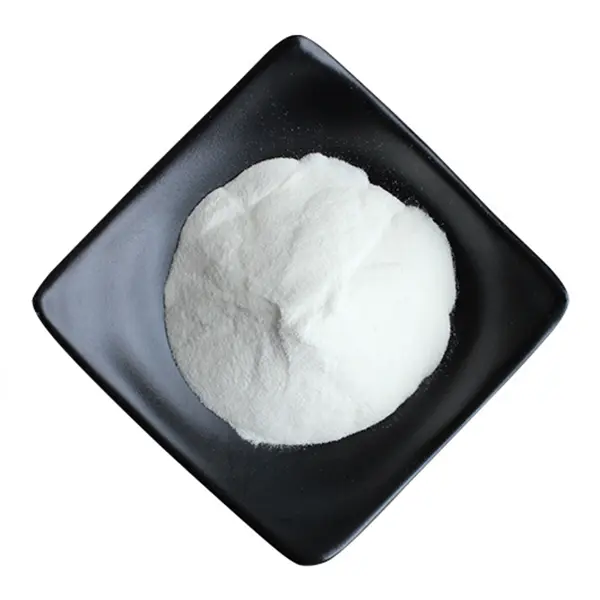
Single Super Phosphate (SSP) is a widely used fertilizer in agriculture, known for its effectiveness in enhancing soil fertility and promoting healthy plant growth. This article delves into the composition, production, benefits, and application of SSP, providing a comprehensive understanding of this essential agricultural input.

Single Super Phosphate is primarily composed of monocalcium phosphate (Ca(H₂PO₄)₂·H₂O) and calcium sulfate (gypsum). The production process involves reacting phosphate rock with sulfuric acid, which results in a mixture that is rich in phosphorus, an essential nutrient for plant growth. Typically, SSP contains about 18-20% phosphorus pentoxide (P₂O₅), translating to approximately 7.9-8.8% elemental phosphorus by weight.
The production of Single Super Phosphate involves several key steps:
1. Mining Phosphate Rock: The process begins with the extraction of phosphate rock, which is rich in phosphorus.
2. Reaction with Sulfuric Acid: The phosphate rock is then treated with sulfuric acid in a controlled environment. This reaction produces monocalcium phosphate and gypsum.
3. Granulation: The resulting mixture is granulated to produce a stable, easy-to-handle fertilizer product.
4. Storage and Distribution: After production, SSP is stored and distributed for agricultural use.
This method of production not only makes SSP an effective fertilizer but also a cost-efficient option for farmers.
One of the primary benefits of SSP is its ability to supply essential nutrients to plants. Phosphorus is crucial for several plant functions, including:
- Root Development: Phosphorus promotes strong root systems, which are vital for water and nutrient uptake.
- Flowering and Fruiting: Adequate phosphorus levels enhance flowering and fruiting, leading to higher yields.
- Energy Transfer: Phosphorus plays a key role in energy transfer within the plant, facilitating various metabolic processes.
Single Super Phosphate is one of the most affordable sources of phosphorus available to farmers. Its production from readily available raw materials contributes to its low cost, making it an attractive option for both large-scale agriculture and home gardening.
SSP is considered environmentally friendly compared to some other fertilizers. It does not contain harmful chemicals or heavy metals that can leach into the soil or water sources. This characteristic makes it a safer choice for sustainable farming practices.
The application of Single Super Phosphate can vary depending on the crop and soil conditions. Here are some general guidelines:
1. Soil Testing: Before applying SSP, it is advisable to conduct a soil test to determine the existing nutrient levels and pH.
2. Application Rate: The recommended application rate typically ranges from 200 to 500 kg per hectare, depending on the crop's phosphorus needs and soil fertility.
3. Timing: SSP can be applied during land preparation or as a side dressing during the growing season. It is most effective when incorporated into the soil.
SSP can be used in conjunction with other fertilizers to create a balanced nutrient supply. It is often combined with nitrogen and potassium fertilizers to meet the complete nutrient requirements of crops.
While Single Super Phosphate is an excellent source of phosphorus, its relatively low concentration compared to other phosphorus fertilizers, such as Triple Super Phosphate (TSP), can be a limitation. Farmers may need to apply larger quantities of SSP to achieve the desired nutrient levels.
SSP can slightly lower soil pH due to the presence of sulfuric acid in its production process. Therefore, it is essential to monitor soil pH and make necessary adjustments to maintain optimal growing conditions for crops.
Single Super Phosphate is a vital fertilizer that plays a significant role in modern agriculture. Its ability to enhance soil fertility, promote healthy plant growth, and provide essential nutrients makes it a popular choice among farmers and gardeners alike. By understanding its composition, benefits, and application methods, agricultural practitioners can effectively utilize SSP to improve crop yields and ensure sustainable farming practices.
1. What is the main nutrient in Single Super Phosphate?
- The main nutrient in Single Super Phosphate is phosphorus, which is essential for plant growth and development.
2. How is Single Super Phosphate produced?
- SSP is produced by reacting phosphate rock with sulfuric acid, resulting in monocalcium phosphate and gypsum.
3. What are the benefits of using Single Super Phosphate?
- SSP promotes root development, enhances flowering and fruiting, and is cost-effective and environmentally friendly.
4. How should Single Super Phosphate be applied?
- SSP can be applied during land preparation or as a side dressing, with application rates typically ranging from 200 to 500 kg per hectare.
5. Can Single Super Phosphate be used with other fertilizers?
- Yes, SSP can be used in combination with nitrogen and potassium fertilizers to provide a balanced nutrient supply for crops.
Hot Tags: China, Global, OEM, private label, manufacturers, factory, suppliers, manufacturing company


