+86-15212299029
- All
- Product Name
- Product Keyword
- Product Model
- Product Summary
- Product Description
- Multi Field Search

Views: 220 Author: tcchems Publish Time: 2025-10-24 Origin: Site


Content Menu
● The Science Behind Hyaluronic Acid
● Criteria for Industry Leaders
● Company A: Global Fermentation Technology Leader
● Company B: Sustainable Biotechnologies Pioneer
● Company C: High-Performance Cosmetic Specialist
● Company D: Pharmaceutical-Grade HA Specialist
● Company E: Emerging Asia-Pacific Powerhouse
● Market Trends Shaping the HA Industry
● Quality Assurance and Compliance
● Sustainability and Responsibility
● FAQs
In the rapidly evolving landscape of cosmetic science and nutraceuticals, hyaluronic acid (HA) stands out as a cornerstone ingredient. Its exceptional capacity to attract and retain moisture makes it indispensable for skincare formulations, dermal fillers, and biopharmaceutical applications. This article examines the top five hyaluronic acid manufacturers that are currently shaping the industry through innovation, quality control, sustainable practices, and global reach. We explore their core strengths, strategic initiatives, and what sets them apart in a competitive market.
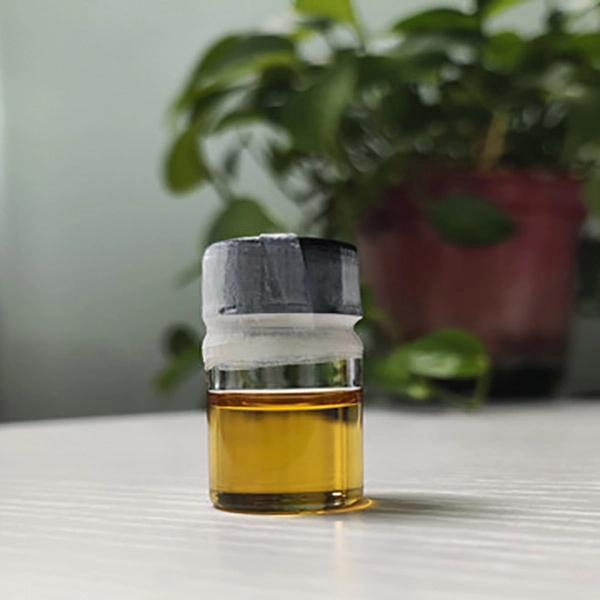
Hyaluronic acid is a naturally occurring glycosaminoglycan found in connective tissues throughout the body. Its unique viscoelastic properties enable it to hydrate, cushion, and lubricate, contributing to skin plumpness and joint health. In manufacturing, HA is produced via fermentation processes using bacterial strains or via yeast-based systems, followed by purification and molecular weight fractionation. The molecular weight of HA dictates its performance in different applications; high molecular weight HA forms a protective film on the skin, while low molecular weight HA can penetrate deeper for targeted benefits.
When evaluating top manufacturers, several criteria repeatedly shape leadership trajectories:
- Production scale and capacity to meet global demand
- Purity, safety, and regulatory compliance across markets
- Innovation in molecular weight distribution and derivative technologies
- Sustainability practices in sourcing and manufacturing
- Customer support, technical services, and collaborative R&D
- Intellectual property and product portfolio breadth
Global Fermentation Technology Leader has established itself as a benchmark in large-scale HA production. Its facility network spans multiple continents, enabling reliable supply chains and regional customization. The company emphasizes fermentation-driven production with refined downstream processing to achieve high-purity HA suitable for pharmaceutical and cosmetic applications. Its portfolio includes medical-grade HA for dermal fillers, high-purity cosmetic HA, and specialty derivatives designed for enhanced moisturizing and viscoelasticity.
Key differentiators include:
- Industry-standard purity profiles that simplify regulatory submissions
- Advanced purification techniques that reduce impurities linked to immunogenic responses
- Flexible manufacturing lines capable of adjusting molecular weights to client specifications
- Strong quality assurance programs and traceability systems
Sustainable Biotechnologies Pioneer focuses on environmentally friendly HA production using renewable feedstocks and closed-loop manufacturing processes. The company highlights carbon footprint reductions through energy-efficient bioreactors, solvent-less purification methods, and waste valorization strategies. Their HA products are tailored for clean beauty brands, medical devices, and nutraceuticals seeking sustainability certifications.
Prominent strengths:
- Certification-driven product portfolio aligned with major eco-labels
- Transparent supply chain with auditable sourcing and process data
- Customizable molecular weight ranges for consumer skincare lines
- Strong emphasis on biosafety and regulatory diligence
High-Performance Cosmetic Specialist targets premium skincare and cosmetic applications with a focus on sensory experience and long-lasting hydration. This manufacturer emphasizes consistent rheological properties, stability under formulation stress, and compatibility with colorants and actives used in high-end products. Their HA grades are often paired with crosslinkers or lipids to achieve enhanced film-forming capabilities and longer wear times.
Highlights include:
- A broad spectrum of HA products with defined molecular weight ladders
- Partnership programs with leading cosmetic brands for exclusive formulations
- Comprehensive technical support, including in-house formulating guidance
- Rigorous lot-to-lot consistency controls to ensure reproducibility
Pharmaceutical-Grade HA Specialist occupies a niche at the intersection of medicine and biotechnology. Their emphasis on clinical-grade purity and stringent regulatory alignment makes their products a preferred choice for dermal fillers, injectable therapies, and regulated medical devices. The company invests heavily in process analytical technology, real-time quality monitoring, and robust validation protocols, ensuring product integrity across manufacturing runs.
Notable attributes:
- GMP-compliant manufacturing with ISO certifications
- Extensive dossier libraries for regulatory submissions in major markets
- Precision in molecular weight distribution to meet specific therapeutic needs
- Collaborative capabilities with contract research organizations for translational studies
Emerging Asia-Pacific Powerhouse leverages regional advantages to deliver cost-effective HA solutions while maintaining quality standards expected by global brands. The company is rapidly expanding its production base and distribution network to serve Asia, the Middle East, and Africa. They focus on scalable processes, rapid turnaround times, and competitive pricing without compromising core purity and safety standards.
Strengths include:
- Competitive pricing aligned with high-volume demand
- Robust distribution channels and regional logistics optimization
- Investment in advanced analytics and process control
- Active engagement with customers through technical education and support
| Criterion | Global Fermentation Tech | Sustainable Biotechnologies | High-Performance Cosmetic | Pharmaceutical-Grade HA | Emerging Asia-Pacific |
|---|---|---|---|---|---|
| Production Scale | Large, global | Moderate to large, eco-focused | Medium to large | High regulatory-grade | Rapidly expanding, regional focus |
| Purity & Safety | High purity, strong QA | Eco-certified, transparent data | Consistent rheology, stable | GMP-compliant, clinical-ready | Sufficient purity for mass-market |
| Innovation Focus | Molecular weight customization | Sustainable processes | Sensory optimization | Process analytics, validation | Affordable, scalable processes |
| Regulatory Readiness | Global dossiers | Compliance with eco-labels | Formulation compatibility | Dossier libraries, regulatory alignment | Regional regulatory readiness |
| Sustainability | Standard industry practices | Core to strategy | Moderate emphasis | Compliance-driven | Growth through efficiency |
- Advancing molecular weight control enables tailored moisturizing and viscoelastic properties for distinct applications.
- Clean beauty and sustainability demand transparent supply chains and responsible sourcing.
- Regulatory harmonization across major markets reduces time-to-market for new HA products.
- Biotechnological innovations reduce production costs while maintaining high purity.
- Strategic partnerships between manufacturers and brand owners accelerate product development cycles.
Hyaluronic acid plays a pivotal role across several sectors:
- Skincare and cosmetics: moisturizers, serums, masks, and anti-aging products.
- Medical aesthetics: dermal fillers and regenerative therapies under clinician supervision.
- Pharmaceuticals and nutraceuticals: joint health supplements and drug delivery systems.
- Biocompatible coatings and wound care: advanced materials for medical devices.
Quality assurance remains a non-negotiable pillar for HA manufacturers. Comprehensive testing regimes typically cover:
- Identity and purity assessments through chromatographic methods
- Residual solvents and endotoxin checks
- Molecular weight distribution profiling
- Sterility and bacterial endotoxin testing for injectable-grade products
- Stability testing under accelerated and real-time conditions
- Documentation and traceability for regulatory submissions
Leading manufacturers increasingly disclose environmental impact metrics and adopt circular economy principles. Initiatives often include:
- Energy-efficient production facilities and waste minimization
- Water stewardship and responsible chemical management
- Supplier code of conduct and responsible sourcing audits
- Investment in greener purification technologies and solvent recovery
Selecting a hyaluronic acid supplier depends on application, regulatory requirements, and supply chain expectations. Criteria to consider:
- Product specification alignment with intended use
- Regulatory track record and ease of approval
- Ability to provide technical support for formulation and process development
- Strategic manufacturing capacity and reliability
- Commitment to sustainability and ethical sourcing

- What is hyaluronic acid and what makes it valuable in cosmetics?
- How does molecular weight affect HA performance in skincare?
- What regulatory considerations are common for HA in medical devices?
- How is HA manufactured, and what are the differences between fermentation and bioengineered methods?
- Why is supply chain transparency important for HA manufacturers?
Hot Tags: China, Global, OEM, private label, manufacturers, factory, suppliers, manufacturing company


