+86-15212299029
- All
- Product Name
- Product Keyword
- Product Model
- Product Summary
- Product Description
- Multi Field Search


Content Menu
● How to Use Kojic Acid Soap Safely
● Who Should Avoid Kojic Acid Soap?
Kojic acid soap has gained popularity in the skincare industry for its skin-lightening properties and ability to treat hyperpigmentation. However, as with any cosmetic product, questions about its safety and potential side effects arise. This article will explore the safety of kojic acid soap, its benefits, potential risks, and how to use it effectively.
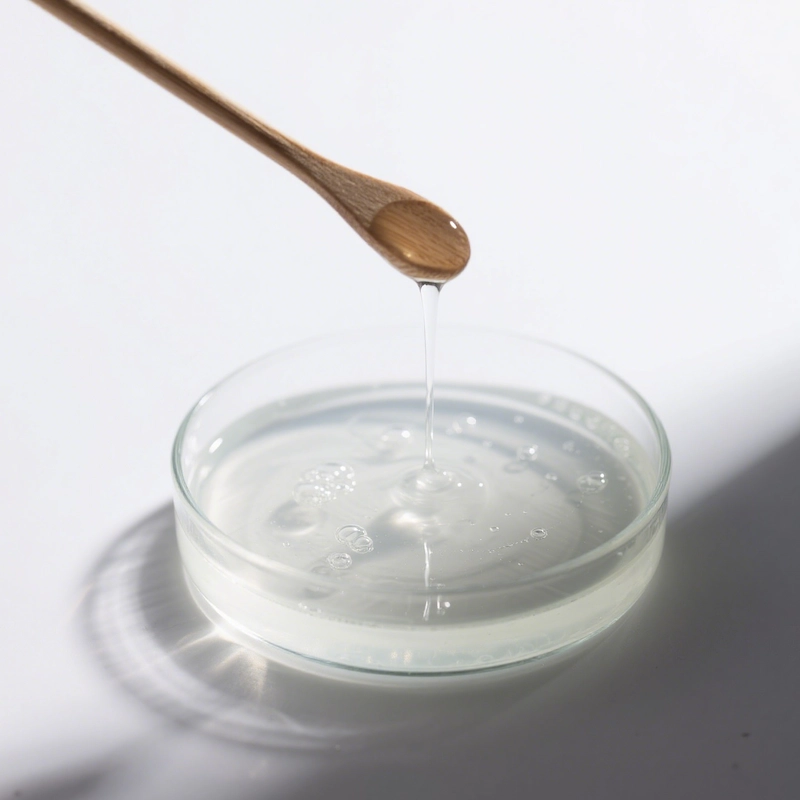
Kojic acid is a natural compound derived from fungi, particularly from the fermentation of rice. It is widely used in cosmetic products for its ability to inhibit melanin production, which can help lighten skin and reduce the appearance of dark spots. Kojic acid is often found in various skincare products, including creams, serums, and soaps.
One of the primary benefits of kojic acid soap is its effectiveness in lightening skin. It works by inhibiting the enzyme tyrosinase, which is crucial for melanin production. This makes it a popular choice for individuals looking to reduce hyperpigmentation, age spots, and acne scars.
Kojic acid also possesses antioxidant properties, which can help protect the skin from damage caused by free radicals. This can contribute to healthier, more radiant skin over time.
In addition to its skin-lightening properties, kojic acid has antifungal effects. It can be beneficial in treating certain skin conditions, such as fungal infections, making it a versatile ingredient in skincare.
Kojic acid is generally considered safe for topical use in concentrations of up to 1%. The Cosmetic Ingredient Review (CIR) Expert Panel has concluded that kojic acid can be safely used in cosmetic products, including soaps, at this concentration. However, it is essential to note that individual reactions can vary.
While many people use kojic acid soap without issues, some may experience side effects, particularly those with sensitive skin. Common side effects include:
- Skin Irritation: Some users may experience redness, itching, or a burning sensation, especially if they have sensitive skin or use the product too frequently.
- Contact Dermatitis: This condition can occur in response to the ingredients in the soap, leading to inflammation and discomfort.
- Increased Sun Sensitivity: Kojic acid can make the skin more susceptible to sunburn. It is crucial to use sunscreen when using products containing kojic acid to protect the skin from UV damage.
To minimize the risk of adverse reactions, consider the following precautions:
- Patch Test: Before using kojic acid soap on larger areas, perform a patch test on a small skin area to check for any allergic reactions.
- Limit Sun Exposure: Avoid direct sunlight after using kojic acid soap, and always apply sunscreen to protect your skin.
- Follow Usage Instructions: Use the soap as directed, typically not more than once or twice daily, and avoid prolonged contact with the skin.
1. Cleanse Your Face: Start with a gentle cleanser to remove dirt and oil from your skin.
2. Wet the Soap: Wet the kojic acid soap and lather it in your hands or directly on your skin.
3. Apply to Skin: Gently massage the lather onto your skin, avoiding sensitive areas like the eyes.
4. Leave On for a Short Time: Allow the soap to sit on your skin for about 30 seconds to a minute. This gives the active ingredients time to work.
5. Rinse Thoroughly: Rinse your skin with lukewarm water and pat dry with a clean towel.
6. Moisturize: Follow up with a moisturizer to keep your skin hydrated, as kojic acid can be drying.
For best results, use kojic acid soap 2-3 times a week initially, gradually increasing to daily use if your skin tolerates it well. Always monitor your skin's response and adjust usage accordingly.
While kojic acid soap is safe for many, certain individuals should exercise caution or avoid it altogether:
- Those with Sensitive Skin: Individuals with sensitive skin may experience irritation and should consult a dermatologist before use.
- Pregnant or Nursing Women: It is advisable for pregnant or nursing women to avoid products containing kojic acid due to limited research on its safety during these periods.
- People with Allergies: If you have known allergies to kojic acid or related compounds, it is best to avoid using this soap.
Kojic acid soap can be a safe and effective option for those looking to lighten their skin and treat hyperpigmentation. However, it is essential to use it correctly and be aware of potential side effects. Always consult with a healthcare professional or dermatologist if you have concerns about using kojic acid soap, especially if you have sensitive skin or underlying skin conditions.
1. Can I use kojic acid soap every day?
- It is recommended to start with 2-3 times a week and gradually increase to daily use if your skin tolerates it well.
2. What should I do if I experience irritation?
- If you experience irritation, discontinue use and consult a dermatologist for advice.
3. Is kojic acid soap safe for all skin types?
- While generally safe, those with sensitive skin should be cautious and may want to perform a patch test first.
4. Can I use kojic acid soap with other skincare products?
- Yes, but be cautious when combining it with other active ingredients like retinoids or acids to avoid irritation.
5. How long does it take to see results from kojic acid soap?
- Results can vary, but many users notice improvements in skin tone and reduction in dark spots within 4-6 weeks of consistent use.
Hot Tags: China, Global, OEM, private label, manufacturers, factory, suppliers, manufacturing company


