+86-15212299029
- All
- Product Name
- Product Keyword
- Product Model
- Product Summary
- Product Description
- Multi Field Search

Views: 220 Author: tcchems Publish Time: 2025-12-07 Origin: Site


Content Menu
● Understanding Tranexamic Acid
● Preparing for Administration
Tranexamic acid (TXA) is a synthetic derivative of the amino acid lysine, primarily used to reduce bleeding in various medical conditions. Its application in nebulized form has gained attention, particularly for managing conditions like hemoptysis (coughing up blood) and post-operative bleeding. This article will provide a comprehensive guide on how to administer nebulized tranexamic acid, including preparation, dosage, administration techniques, and potential side effects.
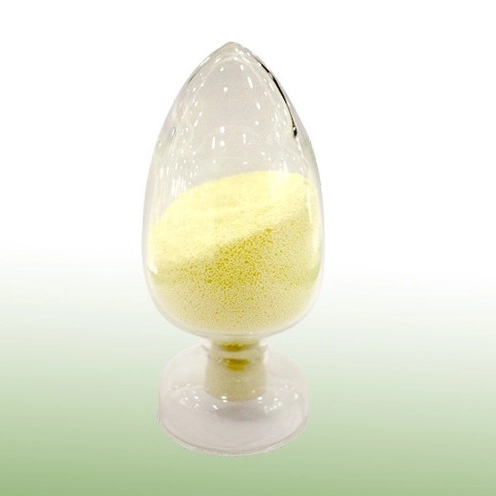
Tranexamic acid is an antifibrinolytic agent that works by inhibiting the breakdown of fibrin, a protein essential for blood clotting. By preventing fibrinolysis, TXA helps stabilize clots and reduce excessive bleeding. It is commonly used in various clinical settings, including surgery, trauma, and certain bleeding disorders.
Nebulized tranexamic acid is primarily indicated for:
- Hemoptysis: It is used to manage acute bleeding in the lungs, particularly in patients with conditions like bronchiectasis or malignancies.
- Post-operative bleeding: TXA can be beneficial in reducing bleeding after surgical procedures, especially tonsillectomies.
- Trauma: In cases of significant trauma where bleeding control is critical, nebulized TXA may be employed.
To administer nebulized tranexamic acid, you will need:
- Nebulizer: A device that converts liquid medication into a mist for inhalation.
- Tranexamic Acid Solution: Typically available in concentrations of 100 mg/mL.
- Normal Saline: Often used to dilute the TXA solution, although some protocols may not require dilution.
- Syringe: For measuring and transferring the medication.
- Oxygen Source: If the nebulizer requires oxygen to operate.
The dosage of nebulized tranexamic acid can vary based on the clinical scenario. Common dosing regimens include:
- For Hemoptysis: 500 mg of tranexamic acid diluted in 5 mL of normal saline, administered three times daily.
- For Post-operative Bleeding: 250 mg to 500 mg, depending on the severity of bleeding and clinical judgment.
It is essential to follow institutional protocols or consult with a healthcare provider for specific dosing recommendations.
1. Preparation of the Solution:
- Measure the required amount of tranexamic acid using a syringe.
- If dilution is necessary, add the appropriate volume of normal saline to the tranexamic acid in a nebulizer cup.
2. Setting Up the Nebulizer:
- Connect the nebulizer to an oxygen source if required.
- Ensure all connections are secure to prevent leaks.
3. Administering the Medication:
- Place the nebulizer mask or mouthpiece securely on the patient.
- Turn on the nebulizer and instruct the patient to breathe normally through the mouth.
- Continue nebulization until the solution is fully aerosolized, which typically takes about 10-15 minutes.
4. Post-Administration Care:
- Monitor the patient for any adverse reactions during and after the treatment.
- Document the administration details, including the dosage, time, and patient response.
After administering nebulized tranexamic acid, it is crucial to monitor the patient for:
- Respiratory Status: Watch for any signs of respiratory distress or adverse reactions.
- Bleeding Control: Assess the effectiveness of the treatment in controlling bleeding.
- Side Effects: Be vigilant for potential side effects, which may include nausea, vomiting, or allergic reactions.
While nebulized tranexamic acid is generally well-tolerated, some patients may experience side effects, including:
- Gastrointestinal Distress: Nausea and vomiting can occur, particularly if the patient has a sensitive stomach.
- Allergic Reactions: Rarely, patients may develop allergic reactions, including rash, itching, or difficulty breathing.
- Respiratory Issues: In some cases, nebulization may cause bronchospasm or irritation of the airways.
It is essential to educate patients about these potential side effects and encourage them to report any unusual symptoms.
Administering nebulized tranexamic acid can be an effective method for managing bleeding in various clinical scenarios. By following proper preparation and administration techniques, healthcare providers can ensure safe and effective treatment for patients experiencing hemoptysis or post-operative bleeding. Always consult with clinical guidelines and institutional protocols to tailor the approach to individual patient needs.

1. What is the primary use of nebulized tranexamic acid?
- It is primarily used to manage hemoptysis and post-operative bleeding.
2. How is tranexamic acid administered via nebulization?
- It is typically diluted in normal saline and administered using a nebulizer for inhalation.
3. What are the common side effects of nebulized tranexamic acid?
- Common side effects include gastrointestinal distress, allergic reactions, and respiratory issues.
4. What is the recommended dosage for hemoptysis?
- A common dosage is 500 mg of tranexamic acid diluted in 5 mL of normal saline, administered three times daily.
5. Can nebulized tranexamic acid be used in children?
- Yes, but the dosage and administration should be carefully adjusted based on the child's weight and clinical condition.
Hot Tags: China, Global, OEM, private label, manufacturers, factory, suppliers, manufacturing company


