+86-15212299029
- All
- Product Name
- Product Keyword
- Product Model
- Product Summary
- Product Description
- Multi Field Search

Views: 220 Author: tcchems Publish Time: 2025-12-29 Origin: Site


Content Menu
>> Why is Sunscreen Necessary?
● The Relationship Between Niacinamide and Sunscreen
>> Can Niacinamide Replace Sunscreen?
>> How Niacinamide Enhances Sunscreen Efficacy
● How to Incorporate Niacinamide and Sunscreen into Your Routine
● Common Myths About Niacinamide and Sunscreen
>> Myth 1: Niacinamide Alone is Enough for Sun Protection
>> Myth 2: Niacinamide Makes Skin More Sensitive to the Sun
>> Myth 3: You Only Need Sunscreen on Sunny Days
>> Myth 4: Sunscreen is Only Necessary in Summer
>> Myth 5: Higher SPF Means You Can Skip Reapplication
Niacinamide, also known as vitamin B3, has gained immense popularity in the skincare world due to its numerous benefits, including improving skin texture, reducing redness, and enhancing the skin barrier. However, a common question arises: Do you need sunscreen when using niacinamide? This article will explore the relationship between niacinamide and sun protection, the importance of sunscreen, and how to effectively incorporate both into your skincare routine.

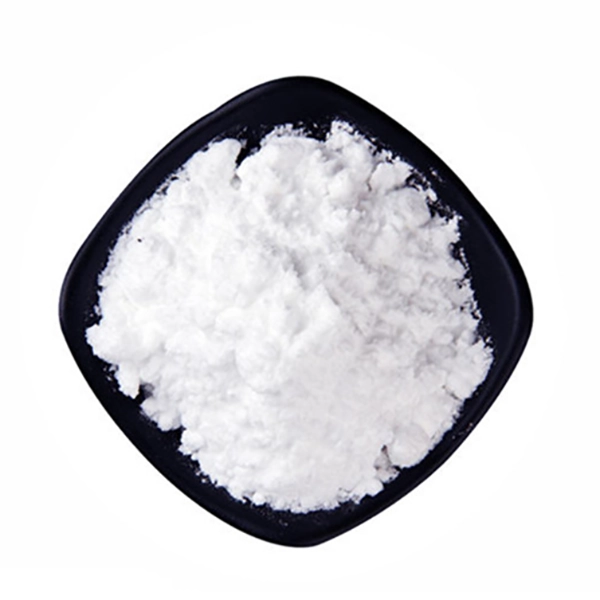
Niacinamide is a water-soluble vitamin that plays a crucial role in cellular metabolism. It is known for its ability to improve skin barrier function, reduce inflammation, and even out skin tone. This ingredient is suitable for all skin types, including sensitive skin, and can be found in various formulations, such as serums, moisturizers, and sunscreens.
1. Improves Skin Barrier Function: Niacinamide strengthens the skin's natural barrier, helping to retain moisture and protect against environmental stressors.
2. Reduces Inflammation: It has anti-inflammatory properties that can help soothe irritated skin and reduce redness.
3. Minimizes Pore Appearance: Regular use of niacinamide can help reduce the appearance of enlarged pores.
4. Evens Skin Tone: Niacinamide can help fade hyperpigmentation and improve overall skin tone.
5. Supports Collagen Production: It aids in the production of collagen, which is essential for maintaining skin elasticity and firmness.
Sunscreen is a critical component of any skincare routine, regardless of the products you use. It protects the skin from harmful ultraviolet (UV) rays that can lead to sunburn, premature aging, and skin cancer. The American Academy of Dermatology recommends using a broad-spectrum sunscreen with an SPF of 30 or higher daily.
1. UVA Rays: These rays penetrate deep into the skin and are primarily responsible for aging and wrinkles.
2. UVB Rays: These rays cause sunburn and are linked to skin cancer. Sunscreen helps block both types of UV rays.
While niacinamide offers several skin benefits, it does not provide adequate protection against UV rays. Some people mistakenly believe that niacinamide can serve as a substitute for sunscreen due to its anti-inflammatory properties and ability to repair sun-damaged skin. However, this is a misconception.
Niacinamide can help mitigate some of the long-term effects of sun exposure, such as hyperpigmentation and inflammation, but it does not prevent immediate UV damage. Therefore, it is essential to use sunscreen in conjunction with niacinamide for comprehensive sun protection.
When used together, niacinamide and sunscreen can provide a synergistic effect. Niacinamide can help soothe the skin and reduce redness caused by sun exposure, while sunscreen protects against UV damage. This combination can lead to healthier, more resilient skin over time.
1. Cleanser: Start with a gentle cleanser to remove impurities.
2. Toner: Use a hydrating toner to prep the skin.
3. Niacinamide Serum: Apply a niacinamide serum to benefit from its skin-enhancing properties.
4. Moisturizer: Follow with a lightweight moisturizer to lock in hydration.
5. Sunscreen: Finish with a broad-spectrum sunscreen with at least SPF 30. Ensure you apply enough product to cover your face and neck.
1. Cleanser: Remove makeup and impurities with a cleanser.
2. Toner: Apply a toner to balance the skin's pH.
3. Niacinamide Serum: Use niacinamide at night to help repair and rejuvenate the skin.
4. Moisturizer: Apply a nourishing moisturizer to hydrate the skin overnight.
This is false. While niacinamide has protective properties, it cannot replace sunscreen. Always use sunscreen to shield your skin from UV damage.
Niacinamide does not increase sun sensitivity. In fact, it can help soothe and protect the skin from sun damage.
UV rays can penetrate clouds and affect your skin even on overcast days. It is essential to wear sunscreen daily, regardless of the weather.
UV exposure occurs year-round. Make sunscreen a part of your daily routine, regardless of the season.
While higher SPF offers more protection, it is still crucial to reapply sunscreen every two hours, especially if you are sweating or swimming.
In conclusion, while niacinamide is a powerful skincare ingredient with numerous benefits, it should not be used as a substitute for sunscreen. To achieve optimal skin health and protection, incorporate both niacinamide and a broad-spectrum sunscreen into your daily skincare routine. This combination will help protect your skin from UV damage while enhancing its overall appearance and resilience.
1. Can I use niacinamide and sunscreen together?
Yes, using niacinamide and sunscreen together is beneficial. Niacinamide can enhance the skin's resilience while sunscreen protects against UV damage.
2. Does niacinamide cause sun sensitivity?
No, niacinamide does not make the skin more sensitive to the sun. It is safe for daily use.
3. How often should I apply sunscreen?
Sunscreen should be applied every two hours, and more frequently if you are sweating or swimming.
4. Can I use niacinamide at night?
Yes, niacinamide can be used both in the morning and at night for optimal skin benefits.
5. Is it necessary to wear sunscreen in winter?
Yes, UV rays can still affect your skin in winter, so wearing sunscreen year-round is essential.
Hot Tags: China, Global, OEM, private label, manufacturers, factory, suppliers, manufacturing company


