+86-15212299029
- All
- Product Name
- Product Keyword
- Product Model
- Product Summary
- Product Description
- Multi Field Search

Views: 220 Author: tcchems Publish Time: 2025-12-03 Origin: Site


Content Menu
● Understanding the Ingredients
● The Benefits of Combining These Ingredients
>> Targeting Multiple Skin Concerns
● How to Use Niacinamide, Azelaic Acid, and Retinol Together
● Potential Side Effects and Considerations
In the world of skincare, the combination of active ingredients can significantly enhance the effectiveness of your routine. However, with so many options available, it can be challenging to determine which ingredients work well together and which do not. This article will explore the compatibility of three popular skincare ingredients: niacinamide, azelaic acid, and retinol. We will discuss their individual benefits, how they can be combined, and what to consider when incorporating them into your skincare regimen.
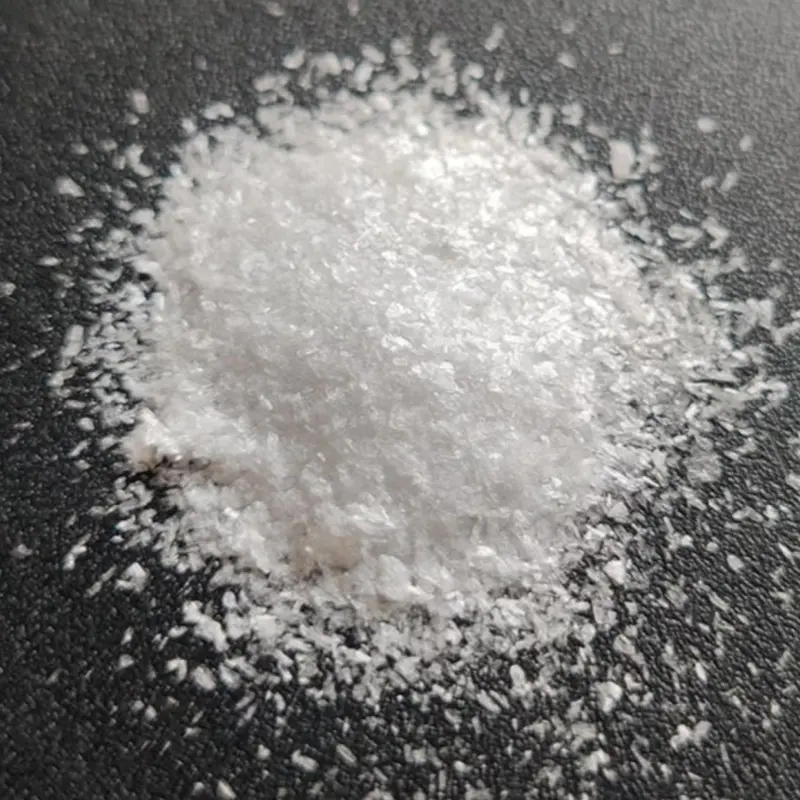
Niacinamide, also known as vitamin B3, is a water-soluble vitamin that offers a multitude of benefits for the skin. It is known for its ability to improve skin barrier function, reduce inflammation, and regulate oil production. Additionally, niacinamide can help minimize the appearance of pores, even out skin tone, and reduce the visibility of fine lines and wrinkles. Its versatility makes it a favorite among skincare enthusiasts.
Azelaic acid is a dicarboxylic acid that is naturally found in grains such as barley, wheat, and rye. It is celebrated for its anti-inflammatory and antibacterial properties, making it particularly effective for treating acne and rosacea. Azelaic acid also helps to exfoliate the skin, promoting cell turnover and improving skin texture. Furthermore, it can lighten hyperpigmentation and even out skin tone, making it a valuable addition to any skincare routine.
Retinol, a derivative of vitamin A, is one of the most researched and effective anti-aging ingredients available. It works by promoting cell turnover, stimulating collagen production, and improving skin texture. Retinol is known for its ability to reduce the appearance of fine lines, wrinkles, and dark spots. However, it can also cause irritation, especially for those with sensitive skin, making it essential to use it correctly.
When used together, niacinamide, azelaic acid, and retinol can complement each other's effects. Niacinamide can help soothe the skin and reduce irritation that may arise from using retinol, while azelaic acid can enhance the overall texture and clarity of the skin. This combination can lead to a more radiant and youthful complexion.
Each of these ingredients addresses different skin concerns. By combining them, you can target multiple issues simultaneously. For example, if you struggle with acne, hyperpigmentation, and signs of aging, this trio can provide a comprehensive solution.
One of the challenges with using potent actives like retinol is the potential for irritation. Niacinamide is known for its calming properties, which can help mitigate the redness and peeling often associated with retinol use. This makes it easier for individuals with sensitive skin to incorporate retinol into their routine.
Before introducing any new products into your skincare routine, it is crucial to perform a patch test. Apply a small amount of each product to a discreet area of your skin and monitor for any adverse reactions over 24 hours. This step is especially important when combining multiple active ingredients.
If you are new to using retinol or azelaic acid, start by incorporating them into your routine gradually. Begin with one product at a time, using it a few times a week before increasing the frequency. This approach allows your skin to adjust and helps minimize irritation.
When using niacinamide, azelaic acid, and retinol together, the order of application matters. A recommended layering order is as follows:
1. Cleanser: Start with a gentle cleanser to remove impurities.
2. Niacinamide: Apply niacinamide first, as it is a water-based product. This will help to hydrate and soothe the skin.
3. Azelaic Acid: Next, apply azelaic acid. This will provide additional exfoliation and help with any redness or inflammation.
4. Retinol: Finally, apply retinol. Since it is a potent active, it should be applied last to ensure maximum absorption.
After applying your active ingredients, follow up with a moisturizer to lock in hydration and further protect your skin barrier. This step is essential, especially when using retinol, which can be drying.
Both retinol and azelaic acid can increase your skin's sensitivity to the sun. Therefore, it is crucial to apply sunscreen daily, even on cloudy days. Look for a broad-spectrum sunscreen with an SPF of at least 30.
While niacinamide is generally well-tolerated, azelaic acid and retinol can cause irritation, especially for those with sensitive skin. Common side effects include redness, peeling, and dryness. If you experience significant irritation, consider reducing the frequency of application or consulting a dermatologist.
Using multiple active ingredients can be beneficial, but overusing them can lead to adverse effects. It is essential to listen to your skin and adjust your routine as needed. If you notice excessive irritation, consider using niacinamide and azelaic acid during the day and retinol at night.
Everyone's skin is unique, and what works for one person may not work for another. Consider your skin type and concerns when incorporating these ingredients. For example, those with oily or acne-prone skin may benefit more from azelaic acid, while those focused on anti-aging may prioritize retinol.
In conclusion, niacinamide, azelaic acid, and retinol can be used together effectively to enhance your skincare routine. By understanding the benefits of each ingredient and how to layer them properly, you can achieve a clearer, more youthful complexion. Remember to start slowly, listen to your skin, and always prioritize sun protection. With patience and consistency, you can enjoy the synergistic effects of these powerful actives.
1. Can I use niacinamide and retinol together?
Yes, niacinamide can help reduce irritation caused by retinol, making them a good combination.
2. How often should I use azelaic acid?
Azelaic acid can typically be used once or twice daily, depending on your skin's tolerance.
3. Is it safe to use retinol every day?
While some people can tolerate daily use, it is often recommended to start with a few times a week and gradually increase frequency.
4. What should I do if my skin becomes irritated?
If you experience irritation, reduce the frequency of application and consider using a soothing moisturizer.
5. Can I use these ingredients during the day?
Niacinamide and azelaic acid can be used during the day, but retinol should be applied at night due to increased sun sensitivity.
Hot Tags: China, Global, OEM, private label, manufacturers, factory, suppliers, manufacturing company


