+86-15212299029
- All
- Product Name
- Product Keyword
- Product Model
- Product Summary
- Product Description
- Multi Field Search

Views: 220 Author: tcchems Publish Time: 2025-11-07 Origin: Site


Content Menu
>> The Composition of Vitamin E Oil
● Does Vitamin E Oil Clog Pores?
>> Comedogenic Ratings Explained
>> Individual Skin Types Matter
● Benefits of Vitamin E Oil for Skin
>> 4. Enhancing Skin Barrier Function
● How to Use Vitamin E Oil Safely
>> 1. Choose the Right Formulation
>> 4. Combine with Other Ingredients
>> 5. Monitor Your Skin's Response
● Common Myths About Vitamin E Oil
>> Myth 1: Vitamin E Oil is Always Comedogenic
>> Myth 3: Vitamin E Oil is Only for Dry Skin
Vitamin E oil has gained popularity in skincare for its numerous benefits, including its antioxidant properties and ability to promote skin healing. However, a common concern among users is whether vitamin E oil clogs pores. This article will explore the relationship between vitamin E oil and pore clogging, its benefits, and how to use it effectively in your skincare routine.

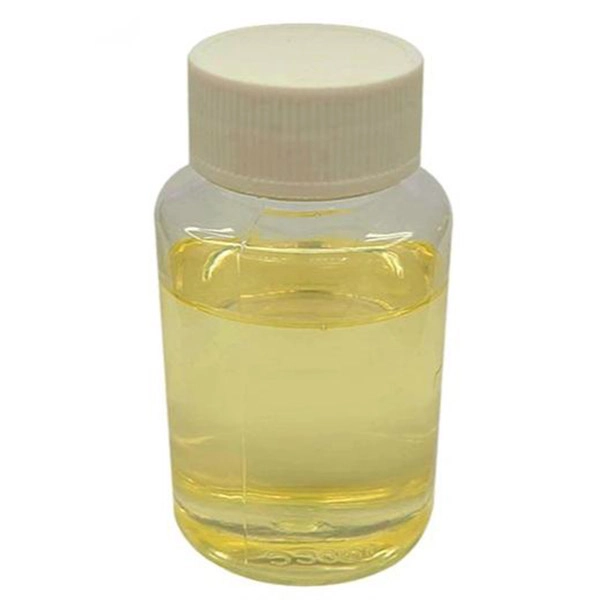
Vitamin E is a fat-soluble vitamin that acts as a powerful antioxidant. It helps protect skin cells from damage caused by free radicals, which can lead to premature aging and skin issues. Vitamin E oil is derived from various sources, including nuts, seeds, and green leafy vegetables. In skincare, it is often used in its pure form or as an ingredient in creams, serums, and oils.
Vitamin E oil primarily contains tocopherols and tocotrienols, which are the active forms of vitamin E. These compounds are known for their moisturizing and healing properties. When applied topically, vitamin E oil can help improve skin texture, reduce inflammation, and promote a healthy skin barrier.
The question of whether vitamin E oil clogs pores is nuanced. While vitamin E itself is not considered comedogenic (pore-clogging), the formulation and concentration of the product can influence its effects on the skin.
Comedogenic ratings are used to classify ingredients based on their likelihood of clogging pores. Ingredients are rated on a scale from 0 to 5, with 0 being non-comedogenic and 5 being highly comedogenic. Vitamin E oil typically falls in the moderate range, meaning it may clog pores for some individuals, particularly those with oily or acne-prone skin.
The impact of vitamin E oil on pores can vary significantly depending on individual skin types. For example:
- Oily Skin: Individuals with oily skin may find that using pure vitamin E oil can exacerbate their condition, leading to breakouts. The oil can add excess moisture, which may not be suitable for those already producing high levels of sebum.
- Dry Skin: Conversely, those with dry or sensitive skin may benefit from vitamin E oil, as it can provide much-needed hydration and help soothe irritation without clogging pores.
- Combination Skin: For those with combination skin, using vitamin E oil in moderation and in conjunction with other non-comedogenic products can yield positive results.
Despite concerns about pore clogging, vitamin E oil offers several benefits that can enhance skin health:
Vitamin E oil is rich in antioxidants, which help combat oxidative stress and protect the skin from environmental damage. This can be particularly beneficial for preventing signs of aging and maintaining a youthful appearance.
Vitamin E oil is an excellent moisturizer, helping to hydrate the skin and improve its overall texture. It can be especially useful for individuals with dry or flaky skin, providing a barrier that locks in moisture.
Vitamin E oil is known for its ability to promote skin healing. It can help reduce the appearance of scars, including acne scars, and soothe irritated skin. Its anti-inflammatory properties can also assist in calming redness and swelling.
By strengthening the skin's natural barrier, vitamin E oil can help protect against external aggressors, such as pollution and UV rays. This is crucial for maintaining healthy skin and preventing premature aging.
To maximize the benefits of vitamin E oil while minimizing the risk of clogged pores, consider the following tips:
Opt for products that contain vitamin E as part of a balanced formulation rather than using pure vitamin E oil. Look for serums or creams that combine vitamin E with other non-comedogenic ingredients.
Before applying vitamin E oil to your face, perform a patch test on a small area of skin to check for any adverse reactions. This is especially important for those with sensitive or acne-prone skin.
If you have oily or acne-prone skin, use vitamin E oil sparingly. A few drops mixed with a carrier oil or moisturizer can provide benefits without overwhelming your skin.
Consider using vitamin E oil in conjunction with other beneficial ingredients, such as hyaluronic acid or niacinamide, which can enhance hydration and improve skin texture without clogging pores.
Pay attention to how your skin reacts to vitamin E oil. If you notice increased breakouts or irritation, it may be best to reduce usage or discontinue it altogether.
While vitamin E oil can clog pores for some individuals, it is not inherently comedogenic. The formulation and individual skin type play significant roles in determining its effects.
Using excessive amounts of vitamin E oil does not equate to better results. In fact, overapplication can lead to clogged pores and breakouts. Moderation is key.
While vitamin E oil is beneficial for dry skin, it can also be advantageous for other skin types when used correctly. The key is to find the right formulation and application method.
In summary, vitamin E oil is a versatile ingredient that can provide numerous benefits for the skin, including antioxidant protection, moisturization, and healing properties. While it may clog pores for some individuals, particularly those with oily or acne-prone skin, it is not universally comedogenic. By choosing the right formulation, using it in moderation, and paying attention to your skin's response, you can enjoy the benefits of vitamin E oil without the risk of clogged pores.
1. Can I use vitamin E oil on my face every day?
- It depends on your skin type. Those with dry skin may benefit from daily use, while those with oily or acne-prone skin should use it sparingly.
2. What are the best alternatives to vitamin E oil for oily skin?
- Consider using non-comedogenic oils like jojoba oil or squalane, which provide hydration without clogging pores.
3. How can I incorporate vitamin E oil into my skincare routine?
- Mix a few drops of vitamin E oil with your moisturizer or serum, or use products that contain vitamin E as an ingredient.
4. Is vitamin E oil safe for sensitive skin?
- Yes, but it's essential to perform a patch test first to ensure there are no adverse reactions.
5. Can vitamin E oil help with acne scars?
- Yes, vitamin E oil can promote healing and reduce the appearance of scars, but results may vary based on individual skin types.
Hot Tags: China, Global, OEM, private label, manufacturers, factory, suppliers, manufacturing company


