+86-15212299029
- All
- Product Name
- Product Keyword
- Product Model
- Product Summary
- Product Description
- Multi Field Search

Views: 220 Author: tcchems Publish Time: 2025-10-31 Origin: Site


Content Menu
● The Properties of Vitamin E Oil
>> Composition of Vitamin E Oil
>> Flash Point of Vitamin E Oil
Vitamin E oil is a popular ingredient in skincare and health products, known for its antioxidant properties and benefits for skin health. However, a common question arises: is vitamin E oil flammable? This article will explore the properties of vitamin E oil, its uses, and its flammability, providing a comprehensive understanding of this essential oil.
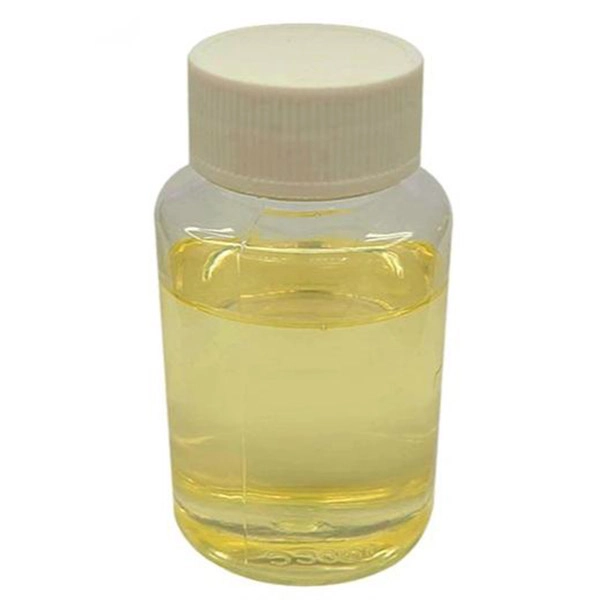
Vitamin E is a fat-soluble vitamin that plays a crucial role in maintaining healthy skin and eyes, as well as supporting the immune system. It exists in several forms, with tocopherols and tocotrienols being the most common. Vitamin E is known for its antioxidant properties, which help combat oxidative stress and protect cells from damage.
Vitamin E can be found in various foods, including:
- Nuts and seeds (e.g., almonds, sunflower seeds)
- Vegetable oils (e.g., wheat germ oil, sunflower oil)
- Green leafy vegetables (e.g., spinach, broccoli)
- Fortified cereals and products
In addition to dietary sources, vitamin E is also available in supplement form and is commonly used in skincare products.
Vitamin E oil is derived from natural sources, primarily vegetable oils. It is rich in tocopherols, which are the active forms of vitamin E. The oil is typically thick and viscous, making it an excellent moisturizer for the skin. Its emollient properties help to hydrate and soothe dry skin, making it a popular choice in cosmetic formulations.
Vitamin E oil is relatively stable compared to other oils, but it can degrade when exposed to heat, light, and air. Proper storage in a cool, dark place can help extend its shelf life. However, it is essential to note that while vitamin E oil is stable, it can still undergo oxidation, leading to a rancid smell and loss of effectiveness.
To determine if vitamin E oil is flammable, it is essential to understand the flammability of oils in general. Flammability refers to the ability of a substance to ignite and sustain combustion. Oils can vary in their flammability based on their chemical composition and flash point.
The flash point is the lowest temperature at which a liquid can form an ignitable mixture in air. For most vegetable oils, including vitamin E oil, the flash point is typically above 200 degrees Fahrenheit (93 degrees Celsius). This means that vitamin E oil is not considered highly flammable under normal conditions.
While vitamin E oil is not highly flammable, it is still essential to handle it with care. Avoid exposing it to open flames or high heat sources, as this could lead to ignition. Additionally, when using vitamin E oil in cosmetic formulations, it is crucial to consider the other ingredients, as they may have different flammability characteristics.
Vitamin E oil is widely used in skincare products due to its moisturizing and antioxidant properties. It can help reduce the appearance of scars, fine lines, and wrinkles, making it a popular choice for anti-aging formulations. Additionally, it can soothe irritated skin and promote healing.
In addition to skincare, vitamin E oil is also beneficial for hair health. It can help nourish the scalp, promote hair growth, and add shine to dull hair. Many hair care products incorporate vitamin E oil for its conditioning properties.
Vitamin E is available in supplement form, often combined with other vitamins and minerals. These supplements are taken to support overall health, particularly for their antioxidant benefits. However, it is essential to consult with a healthcare professional before starting any new supplement regimen.
While vitamin E oil is generally safe for most skin types, some individuals may experience sensitivity or allergic reactions. It is advisable to perform a patch test before using vitamin E oil extensively on the skin.
To ensure the longevity and effectiveness of vitamin E oil, store it in a cool, dark place, away from direct sunlight and heat sources. Always check the expiration date and discard any oil that has developed an off smell or appearance.
In summary, vitamin E oil is not considered highly flammable, with a flash point typically above 200 degrees Fahrenheit. While it is safe to use in skincare and hair care products, it is essential to handle it with care and store it properly. Its numerous benefits make it a valuable addition to any beauty regimen, but awareness of its properties and safety considerations is crucial.
1. Is vitamin E oil safe for all skin types?
- While generally safe, some individuals may experience sensitivity. A patch test is recommended.
2. Can vitamin E oil be used on the hair?
- Yes, it can nourish the scalp and promote hair health.
3. What is the best way to store vitamin E oil?
- Store it in a cool, dark place, away from heat and sunlight.
4. Does vitamin E oil expire?
- Yes, it can degrade over time. Check for off smells or changes in appearance.
5. Can I use vitamin E oil in cooking?
- While it is safe to consume, it is primarily used for skincare and health supplements.
Hot Tags: China, Global, OEM, private label, manufacturers, factory, suppliers, manufacturing company


