
Views: 220 Author: tcchems Publish Time: 2025-12-01 Origin: Site


Content Menu
>> How Do Phosphates Enter Your Pool?
● The Dangers of High Phosphate Levels
>> Algae Growth
>> Reduced Chlorine Efficiency
>> Health Risks
Maintaining a swimming pool involves careful monitoring of various chemical levels to ensure a safe and enjoyable swimming environment. One of the lesser-known yet significant factors in pool maintenance is phosphate levels. This article explores the implications of high phosphate levels in pools, their potential dangers, and how to manage them effectively.
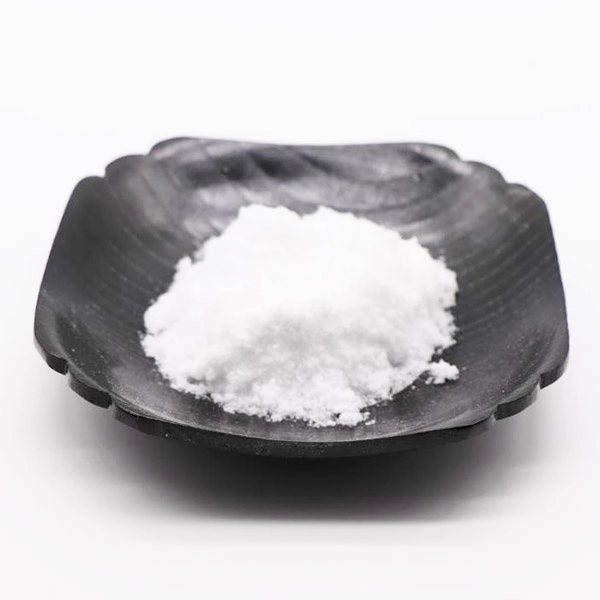
Phosphates are chemical compounds that contain phosphorus, an essential nutrient for plant growth. In the context of swimming pools, phosphates primarily come from organic materials such as leaves, grass, and even from swimmers themselves through lotions and hair products. While phosphates are vital for aquatic life, their presence in swimming pools can lead to significant issues.
Phosphates can enter your pool through various means, including:
- Environmental Debris: Leaves, twigs, and other organic matter can introduce phosphates into the water.
- Swimmer Contaminants: Lotions, shampoos, and other personal care products can contribute to phosphate levels.
- Fertilizers: If you use fertilizers on your lawn, runoff can carry phosphates into your pool.
The primary concern with high phosphate levels is their role as a fertilizer for algae. When phosphate levels exceed 100 parts per billion (ppb), they create an ideal environment for algae to thrive. Algae can multiply rapidly, leading to:
- Cloudy Water: Algae blooms can make the water appear murky and uninviting.
- Green Water: In severe cases, pools can turn green due to excessive algae growth.
- Unpleasant Odors: Algae can produce foul smells, making the pool area less enjoyable.
High phosphate levels can also interfere with the effectiveness of chlorine, the primary sanitizer used in pools. When phosphates are present in large quantities, they can bind with chlorine, reducing its ability to kill bacteria and other harmful microorganisms. This can lead to:
- Increased Risk of Infections: With less effective sanitation, swimmers may be at a higher risk of skin and respiratory infections.
- Higher Chemical Costs: Pool owners may need to use more chlorine and other chemicals to maintain water quality, leading to increased maintenance costs.
While phosphates themselves are not directly harmful to swimmers, the conditions they create can pose health risks. For instance, algae blooms can lead to:
- Skin Irritations: Swimmers with sensitive skin may experience rashes or irritations.
- Respiratory Issues: Inhaling spores from certain types of algae can cause respiratory problems, particularly in individuals with asthma or allergies.
To keep phosphate levels in check, regular water testing is essential. Pool owners should test their water at least once a week, especially during peak swimming season. Testing kits are available that can measure phosphate levels accurately.
If phosphate levels are found to be high, phosphate removers can be used. These products work by binding to phosphates and allowing them to be filtered out of the water. It's important to follow the manufacturer's instructions for proper use.
Preventing high phosphate levels is often easier than treating them. Here are some effective strategies:
- Keep Debris Out: Regularly skim the pool to remove leaves and other organic matter.
- Limit Fertilizer Use: Be cautious with lawn fertilizers, especially before heavy rain, to prevent runoff into the pool.
- Shower Before Swimming: Encourage swimmers to rinse off before entering the pool to reduce the introduction of personal care products.
High phosphate levels in swimming pools can lead to a range of problems, primarily through their promotion of algae growth and interference with chlorine effectiveness. While phosphates are not directly dangerous to swimmers, the conditions they create can pose health risks and lead to increased maintenance costs. By regularly testing water, using phosphate removers, and implementing preventive measures, pool owners can maintain a safe and enjoyable swimming environment.
1. What are the ideal phosphate levels for a swimming pool?
- Ideal phosphate levels should be below 100 ppb to prevent algae growth.
2. Can high phosphate levels harm swimmers?
- While phosphates themselves are not harmful, they can lead to conditions that may irritate the skin or respiratory system.
3. How often should I test my pool for phosphates?
- It is recommended to test your pool water at least once a week, especially during the swimming season.
4. What should I do if my pool has high phosphate levels?
- Use phosphate removers and ensure regular cleaning to lower phosphate levels.
5. Can I prevent phosphates from entering my pool?
- Yes, by keeping debris out, limiting fertilizer use, and encouraging swimmers to shower before entering the pool.
Hot Tags: China, Global, OEM, private label, manufacturers, factory, suppliers, manufacturing company


