+86-15212299029
- All
- Product Name
- Product Keyword
- Product Model
- Product Summary
- Product Description
- Multi Field Search

Views: 220 Author: tcchems Publish Time: 2025-12-30 Origin: Site


Content Menu
● The Connection Between Niacinamide and Breakouts
>> Can Niacinamide Cause Breakouts?
>> Why Do Some People Break Out After Using Niacinamide?
● How to Use Niacinamide Effectively
>> Start Slowly
>> Patch Test
>> Monitor Your Skin's Response
● Benefits of Niacinamide for Acne-Prone Skin
Niacinamide, also known as vitamin B3, has gained significant popularity in the skincare community for its numerous benefits, including reducing inflammation, regulating oil production, and improving skin texture. However, many users report experiencing breakouts after incorporating niacinamide into their skincare routines. This article explores the relationship between niacinamide and breakouts, helping you understand whether this ingredient is a friend or foe for your skin.
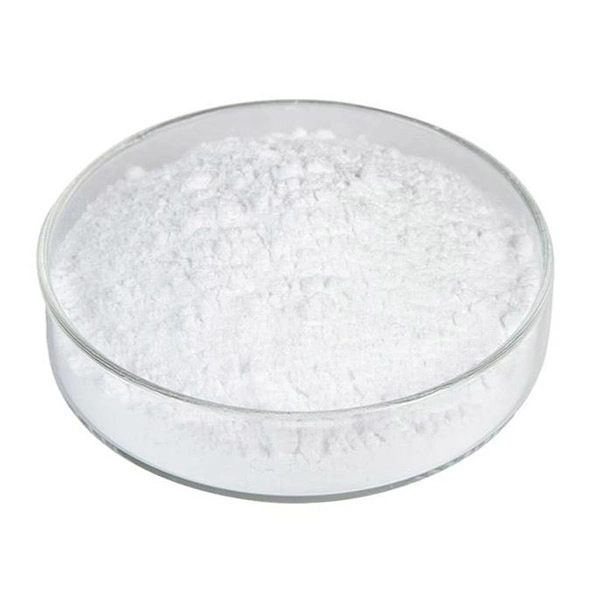
Niacinamide is a water-soluble vitamin that plays a crucial role in maintaining healthy skin. It is known for its ability to improve the skin barrier, enhance hydration, and reduce the appearance of fine lines and wrinkles. Additionally, niacinamide has anti-inflammatory properties, making it beneficial for those with acne-prone skin.
Niacinamide works by influencing several biological processes in the skin. It helps to:
- Regulate Oil Production: By controlling sebum production, niacinamide can help prevent clogged pores, which are a primary cause of acne.
- Reduce Inflammation: Its anti-inflammatory properties can soothe irritated skin and reduce redness associated with acne.
- Improve Skin Barrier Function: A stronger skin barrier helps retain moisture and protect against environmental stressors, which can exacerbate skin issues.
While niacinamide is generally well-tolerated and considered safe for most skin types, some individuals may experience breakouts after using products containing this ingredient. However, it is essential to differentiate between actual breakouts and skin purging.
- Purging: This occurs when active ingredients, like niacinamide, accelerate cell turnover, causing pre-existing clogged pores to surface. Purging typically results in small, less inflamed pimples and lasts for a short period, usually a few weeks.
- Breakouts: In contrast, breakouts are often a reaction to irritation or sensitivity. They may manifest as larger, more inflamed pimples and can occur in areas where you typically do not experience acne. Breakouts may persist unless the irritating product is discontinued.
1. Sensitivity to Ingredients: Some individuals may have a sensitivity or allergic reaction to niacinamide or other ingredients in the product, leading to breakouts.
2. Overuse: Using niacinamide too frequently or in high concentrations can overwhelm the skin, resulting in irritation and breakouts.
3. Combination with Other Products: If niacinamide is used alongside other active ingredients that irritate the skin, such as retinoids or exfoliants, it can lead to breakouts.
4. Product Formulation: The overall formulation of the product, including other ingredients, can contribute to breakouts. For example, comedogenic ingredients can clog pores and cause acne.
If you are new to niacinamide, it is advisable to start with a lower concentration and gradually increase usage. This approach allows your skin to adjust to the ingredient without overwhelming it.
Before incorporating a new product into your routine, perform a patch test on a small area of skin to check for any adverse reactions. This step is crucial, especially for those with sensitive skin.
Pay attention to how your skin reacts after introducing niacinamide. If you notice an increase in breakouts, consider reducing the frequency of use or switching to a different formulation.
When layering products, be cautious about combining niacinamide with other active ingredients. It is often best to use niacinamide in conjunction with gentle, hydrating products to minimize the risk of irritation.
Despite the potential for breakouts, niacinamide offers several benefits for those with acne-prone skin:
- Reduces Inflammation: Niacinamide can help calm inflamed acne lesions, leading to a reduction in redness and swelling.
- Improves Skin Texture: Regular use of niacinamide can enhance skin texture, making it smoother and more even-toned.
- Hydrates the Skin: By improving the skin barrier, niacinamide helps retain moisture, which can prevent the skin from becoming overly dry and producing excess oil.
In summary, while niacinamide can cause breakouts in some individuals, it is more commonly associated with positive effects on acne-prone skin. Understanding the difference between purging and breakouts is crucial for determining how your skin responds to this ingredient. By using niacinamide correctly and monitoring your skin's reaction, you can enjoy its many benefits without the unwanted side effects.

1. Does niacinamide cause purging?
- Niacinamide can lead to purging in some individuals, especially if it accelerates cell turnover. This typically results in temporary breakouts that resolve quickly.
2. How can I tell if my breakouts are from niacinamide?
- If you experience new breakouts in areas where you usually have clear skin, it may indicate a reaction to niacinamide or another ingredient in your routine.
3. Can I use niacinamide with other active ingredients?
- Yes, but be cautious. Combining niacinamide with other actives like retinoids or acids can increase the risk of irritation. Start slowly and monitor your skin's response.
4. What concentration of niacinamide is best for beginners?
- A concentration of 5% is often recommended for beginners, as it provides benefits without overwhelming the skin.
5. How long does it take to see results from niacinamide?
- Many users notice improvements in their skin within four to six weeks of consistent use, but results can vary based on individual skin types and concerns.
Hot Tags: China, Global, OEM, private label, manufacturers, factory, suppliers, manufacturing company


