+86-15212299029
- All
- Product Name
- Product Keyword
- Product Model
- Product Summary
- Product Description
- Multi Field Search

Views: 220 Author: tcchems Publish Time: 2025-08-04 Origin: Site


Content Menu
● Common Myths About Vitamin E Oil
>> Myth 1 — Vitamin E Oil Always Improves Skin Health
>>> The Reality of Skin Benefits
>> Myth 2 — Higher Doses of Vitamin E Are Better
>>> The Risks of Excessive Intake
>> Myth 3 — All Vitamin E Oils Are the Same
>>> The Importance of Product Quality and Source
>> Myth 4 — Vitamin E Oil Cures Skin Conditions Like Eczema and Psoriasis
>>> Supportive Role But Not a Sole Treatment
>> Myth 5 — Everyone Needs to Supplement with Vitamin E Oil
>>> Supplements and Topical Oils Are Not Always Necessary
● Additional Insights from Manufacturers
>> Choosing the Right Vitamin E Oil
>> How to Use Vitamin E Oil Safely
● At the Crossroads of Fact and Fiction: Summary
● Frequently Asked Questions About Vitamin E Oil
Vitamin E oil is widely known as a popular ingredient in skincare and health products, praised for its antioxidant properties and supposed skin benefits. However, misinformation and myths abound regarding its use, effectiveness, and safety. Manufacturers and experts in the field have addressed many of these misconceptions to provide clearer guidance for consumers. This article explores common myths about vitamin E oil and debunks them based on manufacturer insights and scientific findings.
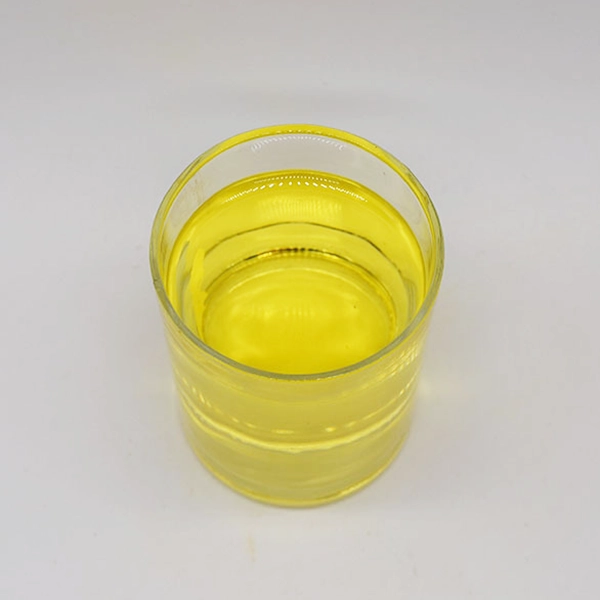
Vitamin E refers to a group of fat-soluble compounds that include tocopherols and tocotrienols, with alpha-tocopherol being the most potent and common form. Vitamin E acts primarily as an antioxidant, fighting free radicals in the body that can cause cellular damage. It is naturally found in various foods such as nuts, seeds, and vegetable oils and is also available as supplements and topical oils.
Vitamin E oil is different from oral supplements in that it is applied directly to the skin, where it is believed to provide moisturizing, protective, and anti-aging benefits. However, not all vitamin E oil products are created equal—some use synthetic forms, which may be less effective than natural, organic sources favored in high-quality products.
One widespread myth is that applying vitamin E oil will always result in healthier, more youthful skin. While vitamin E has antioxidant benefits, manufacturers highlight that topical application does not guarantee significant skin improvement for everyone.
Topical vitamin E oil may help moisturize the skin and slightly improve the skin's water-binding capacity after consistent use for weeks. However, scientific evidence supporting dramatic reductions in scars, wrinkles, or other skin imperfections is limited and mixed. Some studies even indicate vitamin E oil could worsen scar appearance in certain individuals or cause skin irritation and rashes.
Manufacturers stress the importance of using pure, stabilized vitamin E oil from reputable sources. Low-quality or heavily processed products may not deliver the promised effects and can lead to adverse reactions.
Many consumers believe that using larger amounts of vitamin E oil or supplements will enhance the benefits. However, manufacturers and health experts caution that more is not always better, especially with fat-soluble vitamins like vitamin E.
Because vitamin E is fat-soluble, the body stores excess amounts rather than excreting them, which can lead to toxicity. High doses of vitamin E supplements have been linked to health risks in some studies. When it comes to topical vitamin E oil, overuse can increase the risk of skin irritation and allergic reactions.
The recommended approach is personalized dosing based on individual needs and medical advice, not indiscriminate high doses.
Some people assume any vitamin E oil product will have similar benefits regardless of brand or source. This is far from true, according to manufacturers.
Vitamin E oils vary significantly in quality depending on whether they are naturally derived or synthetic. Natural and organic vitamin E oils are typically more bioavailable and effective when applied to the skin. Synthetic forms often contain fillers, additives, or adulterants that reduce efficacy and may cause skin sensitivity.
Manufacturers emphasize selecting products with clear sourcing information, organic certification, and minimal additives to ensure maximum benefit.
While vitamin E oil is sometimes promoted as a treatment for skin conditions such as eczema or psoriasis, manufacturers clarify that it is not a cure.
Vitamin E oil's moisturizing and antioxidant properties may help soothe dry, itchy skin and reduce inflammation in some cases. However, dermatologists recommend it only as a complementary aid alongside prescribed medical treatments.
Using vitamin E oil as the sole remedy for chronic or serious skin conditions may delay proper treatment and worsen symptoms.
It is a common belief that everyone should use vitamin E oil to maintain skin health and prevent aging. Manufacturers urge a more tailored approach.
Most people obtain sufficient vitamin E from a balanced diet rich in nuts, seeds, and vegetable oils. Supplementation and topical application should be reserved for specific needs, such as vitamin E deficiency or particular skin concerns, and under medical advice.
Indiscriminate use of vitamin E oil without understanding individual skin type or health status can lead to ineffective results or adverse effects.
Manufacturers recommend looking for vitamin E oil that is:
- Derived from natural and organic sources
- Free of synthetic additives and fillers
- Properly formulated to enhance absorption and stability
- Labeled with clear concentration information of active vitamin E compounds
Avoiding cheap, heavily processed oils reduces the chances of irritation and ensures the antioxidant properties are preserved.
Proper usage tips include:
- Conducting a patch test before full application to check for allergic reactions
- Applying vitamin E oil in moderation, preferably mixed with other moisturizers
- Consulting with a dermatologist or healthcare provider for skin conditions or before supplementation
- Avoiding use on broken skin or open wounds without professional guidance
Vitamin E oil holds promise as an antioxidant-rich skin care aid but is not a miracle cure. Its efficacy depends on product quality, correct dosage, and user skin type. Some common beliefs about its universal skin benefits, high-dose effectiveness, or its role in treating skin disorders are myths clarified by manufacturers and experts. Consumers should approach vitamin E oil with informed caution and realistic expectations.
Q1: Can vitamin E oil prevent wrinkles and aging skin?
A1: Vitamin E oil can help moisturize and protect skin cells from oxidative damage but does not guarantee wrinkle prevention or reversal. Results vary based on product quality and individual skin conditions.
Q2: Is it safe to apply vitamin E oil directly to the skin daily?
A2: It can be safe for most people when used in moderation, but a patch test is recommended first to avoid allergic reactions. Overuse may cause irritation.
Q3: What is the difference between natural and synthetic vitamin E oil?
A3: Natural vitamin E oils are derived from organic plant sources and have better absorption and efficacy. Synthetic versions may contain additives and be less effective.
Q4: Does vitamin E oil help with scars?
A4: The evidence is mixed. Some people see improvements, while others may experience worsened scars or no effect. It depends on the scar type and skin reaction.
Q5: Should everyone take vitamin E supplements or use vitamin E oil?
A5: Not everyone needs supplements or topical vitamin E. A balanced diet usually provides sufficient vitamin E. Supplementation should be considered if recommended by a healthcare professional.
[1] https://www.medicinenet.com/the_truth_about_vitamin_e_oil/article.htm
[2] https://www.youtube.com/watch?v=KcERUyH2YMM
[3] https://acgrace.com/about-vitamin-e/vitamin-e-myths-about-vitamin-e-get-to-know-the-facts/
[4] https://patents.google.com/patent/CN106164233B/zh
[5] https://www.medicalnewstoday.com/articles/318168
[6] https://zh.wikipedia.org/zh-cn/%E7%B6%AD%E7%94%9F%E7%B4%A0E?oldformat=true
[7] https://www.healthline.com/health/food-nutrition/truth-about-vitamin-e-oil
[8] https://www.sohu.com/a/317092891_778782
[9] https://www.webmd.com/beauty/features/myth-vs-reality-on-anti-aging-vitamins
[10] https://patents.google.com/patent/CN114698374A/zh
Hot Tags: China, Global, OEM, private label, manufacturers, factory, suppliers, manufacturing company


