+86-15212299029
- All
- Product Name
- Product Keyword
- Product Model
- Product Summary
- Product Description
- Multi Field Search

Views: 220 Author: tcchems Publish Time: 2025-11-15 Origin: Site


Content Menu
● Can You Use Niacinamide and Azelaic Acid Together?
>> Compatibility of Ingredients
In the world of skincare, the combination of ingredients can significantly impact the effectiveness of a regimen. Two popular ingredients that have gained attention for their skin benefits are niacinamide and azelaic acid. Both are known for their ability to improve skin texture, reduce redness, and combat acne. However, many people wonder if these two powerful ingredients can be used together without causing irritation or diminishing their effects. In this article, we will explore the benefits of niacinamide and azelaic acid, how they work, and whether they can be safely combined in your skincare routine.
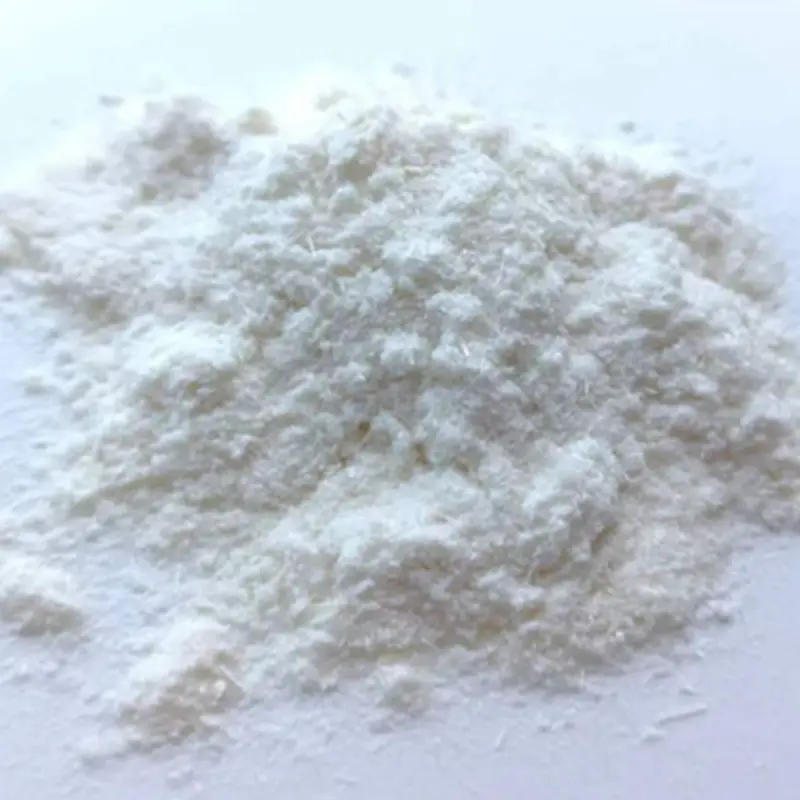
Niacinamide, also known as vitamin B3, is a water-soluble vitamin that plays a crucial role in maintaining healthy skin. It is known for its anti-inflammatory properties and its ability to improve the skin's barrier function. This ingredient is often found in serums, moisturizers, and other skincare products.
1. Reduces Inflammation: Niacinamide is effective in calming irritated skin, making it a great option for those with conditions like acne or rosacea.
2. Improves Skin Barrier: It helps strengthen the skin's natural barrier, which can prevent moisture loss and protect against environmental stressors.
3. Minimizes Pores: Regular use of niacinamide can help reduce the appearance of enlarged pores, giving the skin a smoother texture.
4. Brightens Skin Tone: Niacinamide can help even out skin tone and reduce the appearance of dark spots and hyperpigmentation.
5. Regulates Oil Production: It can help balance oil production, making it beneficial for oily and combination skin types.
Azelaic acid is a dicarboxylic acid that is naturally found in grains like barley, wheat, and rye. It is known for its antibacterial and anti-inflammatory properties, making it a popular choice for treating acne and rosacea. Azelaic acid is available in various forms, including gels, creams, and foams.
1. Treats Acne: Azelaic acid helps to unclog pores and reduce the growth of acne-causing bacteria, making it effective for treating acne.
2. Reduces Redness: Its anti-inflammatory properties can help calm redness and irritation associated with rosacea and other skin conditions.
3. Improves Skin Texture: Azelaic acid promotes cell turnover, which can lead to smoother skin and a more even complexion.
4. Fades Hyperpigmentation: It is effective in reducing dark spots and post-inflammatory hyperpigmentation, making it a great option for those with uneven skin tone.
5. Gentle on Skin: Unlike some other acids, azelaic acid is generally well-tolerated by most skin types, including sensitive skin.
The short answer is yes, you can use niacinamide and azelaic acid together. Both ingredients are known for their gentle nature and are suitable for a variety of skin types. They work through different mechanisms, which means they can complement each other rather than cause irritation.
When used in conjunction, niacinamide and azelaic acid can enhance each other's benefits. Niacinamide's ability to reduce inflammation can help soothe any potential irritation caused by azelaic acid, while azelaic acid can help improve the overall texture and clarity of the skin, which niacinamide can further enhance by improving the skin barrier.
1. Layering: If you choose to use both ingredients in your routine, consider applying them in layers. Start with a niacinamide serum, allowing it to absorb before applying azelaic acid.
2. Patch Testing: As with any new skincare product, it's essential to perform a patch test to ensure your skin does not react negatively to the combination.
3. Frequency: If you have sensitive skin, you may want to start by using them on alternate days to see how your skin reacts before using them together daily.
While both niacinamide and azelaic acid are generally well-tolerated, some individuals may experience mild irritation, especially when first introducing these ingredients into their routine. Common side effects may include:
- Redness
- Stinging or burning sensation
- Dryness or peeling
If you experience any of these symptoms, it may be best to reduce the frequency of use or consult with a dermatologist.
In conclusion, niacinamide and azelaic acid can be effectively used together in a skincare routine. Their complementary properties can enhance skin health, improve texture, and reduce redness and acne. As with any skincare regimen, it's important to listen to your skin and adjust your routine as needed. With proper application and care, you can enjoy the benefits of both niacinamide and azelaic acid for a clearer, healthier complexion.

1. Can I use niacinamide and azelaic acid in the same routine?
Yes, they can be used together and may enhance each other's benefits.
2. What order should I apply niacinamide and azelaic acid?
Apply niacinamide first, allow it to absorb, and then apply azelaic acid.
3. Are there any side effects of using niacinamide and azelaic acid together?
Some individuals may experience mild irritation, redness, or dryness.
4. Can I use these ingredients if I have sensitive skin?
Yes, but start slowly and consider using them on alternate days to assess your skin's tolerance.
5. How long does it take to see results from niacinamide and azelaic acid?
Results can vary, but many users notice improvements in skin texture and tone within a few weeks of consistent use.
Hot Tags: China, Global, OEM, private label, manufacturers, factory, suppliers, manufacturing company


