+86-15212299029
- All
- Product Name
- Product Keyword
- Product Model
- Product Summary
- Product Description
- Multi Field Search

Views: 220 Author: tcchems Publish Time: 2025-12-01 Origin: Site


Content Menu
● Understanding Dicalcium Phosphate
>> What is Dicalcium Phosphate?
>> Sources of Dicalcium Phosphate
● Benefits of Dicalcium Phosphate for Dogs
● Potential Risks of Dicalcium Phosphate
● How to Safely Include Dicalcium Phosphate in Your Dog's Diet
Dicalcium phosphate (DCP) is a mineral compound that is often used in pet foods and supplements. It serves as a source of calcium and phosphorus, two essential nutrients for dogs. However, many pet owners are concerned about the safety and potential health effects of including dicalcium phosphate in their dogs' diets. This article will explore the safety of dicalcium phosphate for dogs, its benefits, potential risks, and how to ensure your dog receives the right balance of nutrients.
Dicalcium phosphate is a calcium phosphate salt that contains both calcium and phosphorus in a 2:1 ratio. It is commonly used in animal feeds, including dog food, as a dietary supplement to provide these essential minerals. Calcium is crucial for bone health, muscle function, and nerve transmission, while phosphorus plays a vital role in energy metabolism and the formation of DNA and RNA.
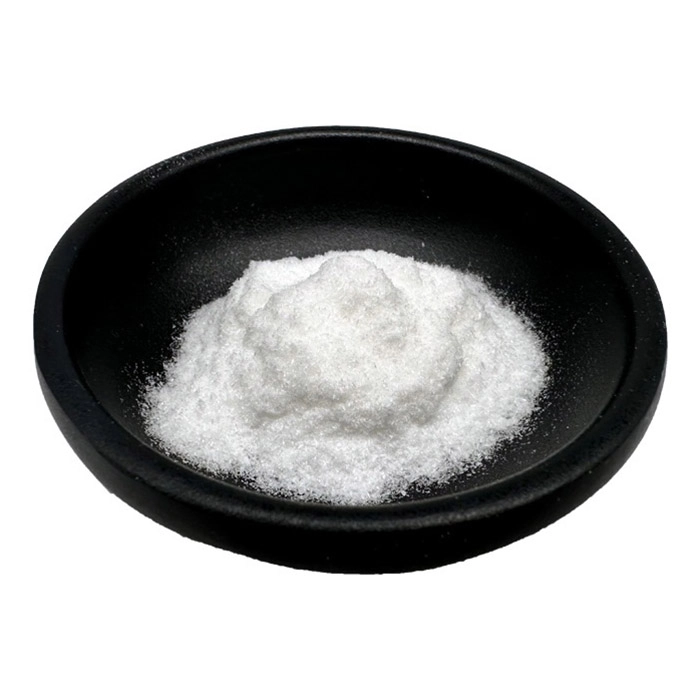
Dicalcium phosphate can be derived from various sources, including:
- Animal Bones: Bone meal is a natural source of dicalcium phosphate, providing both calcium and phosphorus.
- Rock Phosphate: This mineral is mined and processed to create dicalcium phosphate for animal feed.
- Synthetic Production: Dicalcium phosphate can also be produced synthetically in laboratories.
Dicalcium phosphate is beneficial for dogs, particularly those on commercial diets that may lack sufficient calcium and phosphorus. It helps to:
- Support Bone Health: Adequate calcium and phosphorus levels are essential for maintaining strong bones and teeth.
- Aid in Muscle Function: Calcium is necessary for muscle contractions, making it vital for active and working dogs.
- Promote Energy Metabolism: Phosphorus is involved in energy production, which is crucial for a dog's overall health and vitality.
Many commercial dog foods include dicalcium phosphate as a key ingredient. It is often listed on the label and is considered safe when used in appropriate amounts. The Association of American Feed Control Officials (AAFCO) provides guidelines for the recommended levels of calcium and phosphorus in dog food, ensuring that these nutrients are balanced for optimal health.
While dicalcium phosphate is generally safe for dogs, overconsumption can lead to health issues. Some potential risks include:
- Mineral Imbalance: Excessive intake of dicalcium phosphate can disrupt the balance of calcium and phosphorus in the body, leading to conditions such as hypercalcemia (high calcium levels) or hyperphosphatemia (high phosphorus levels).
- Kidney Stones: High levels of calcium can contribute to the formation of kidney stones, particularly in predisposed breeds or dogs with certain health conditions.
- Digestive Issues: Some dogs may experience gastrointestinal upset if they consume too much dicalcium phosphate, leading to symptoms such as vomiting or diarrhea.
Certain dogs may be more susceptible to the negative effects of dicalcium phosphate, including:
- Dogs with Kidney Disease: Dogs suffering from kidney issues may have difficulty processing excess phosphorus, making it crucial to monitor their intake.
- Growing Puppies: Puppies require a balanced diet to support their rapid growth. An imbalance of calcium and phosphorus can lead to developmental issues, such as skeletal deformities.
Before introducing any new supplements or dietary changes, it is essential to consult with your veterinarian. They can provide personalized recommendations based on your dog's specific health needs, age, and activity level.
When selecting dog food, look for high-quality brands that meet AAFCO standards. These foods will have balanced levels of dicalcium phosphate and other essential nutrients. Avoid foods with excessive fillers or artificial additives.
Regular veterinary check-ups can help monitor your dog's health and ensure they are receiving the right balance of nutrients. If you notice any changes in your dog's behavior, appetite, or health, consult your veterinarian promptly.
Dicalcium phosphate is generally safe for dogs when included in appropriate amounts in their diet. It provides essential nutrients that support bone health, muscle function, and energy metabolism. However, pet owners should be aware of the potential risks associated with overconsumption and consult their veterinarian to ensure their dog's diet is balanced and healthy.

1. What is the recommended amount of dicalcium phosphate for dogs?
The recommended amount varies based on the dog's size, age, and health status. Consult your veterinarian for specific guidelines.
2. Can dicalcium phosphate cause kidney stones in dogs?
Yes, excessive calcium intake can contribute to kidney stone formation, especially in predisposed breeds.
3. Is dicalcium phosphate safe for puppies?
Dicalcium phosphate can be safe for puppies, but it is crucial to ensure they receive a balanced diet to support their growth.
4. What are the signs of calcium or phosphorus imbalance in dogs?
Signs may include lethargy, vomiting, diarrhea, or changes in appetite. If you notice these symptoms, consult your veterinarian.
5. Are there natural sources of calcium and phosphorus for dogs?
Yes, natural sources include bone meal, fish, and certain vegetables. However, it is essential to ensure a balanced diet.
Hot Tags: China, Global, OEM, private label, manufacturers, factory, suppliers, manufacturing company


