+86-15212299029
- All
- Product Name
- Product Keyword
- Product Model
- Product Summary
- Product Description
- Multi Field Search

Views: 220 Author: tcchems Publish Time: 2025-11-04 Origin: Site


Content Menu
● Understanding Phosphates in Pool Water
>> Chemical Phosphate Removers
>> Enzymatic Phosphate Removers
● Timing: How Soon Can You Swim?
>>> Factors Influencing Waiting Time
● Best Practices for Using Phosphate Removers
>> Test Water Before Treatment
>> Follow Manufacturer Instructions
Maintaining a clean and safe swimming pool is essential for enjoyment and health. One common issue pool owners face is the buildup of phosphates, which can lead to algae growth and cloudy water. To combat this, many turn to phosphate removers. However, a common question arises: how soon can you swim after adding phosphate remover? This article will explore the effects of phosphate removers, the timing for swimming, and best practices for pool maintenance.
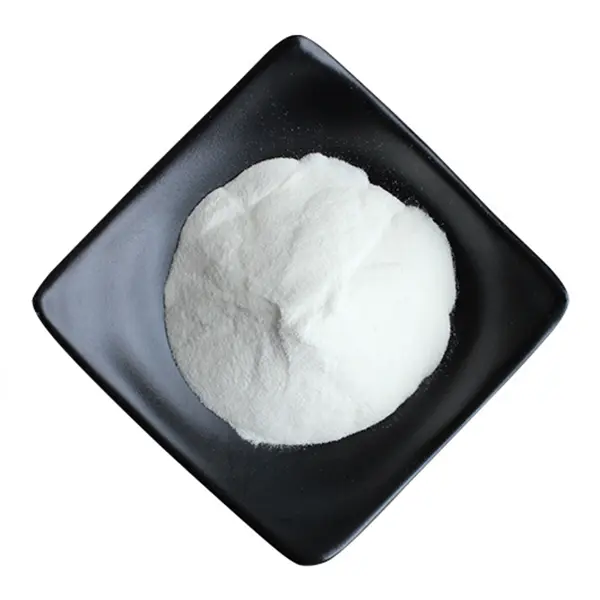
Phosphates are organic compounds that can enter pool water through various sources, including fertilizers, detergents, and even rainwater. While phosphates are not harmful in small amounts, elevated levels can promote algae growth, leading to unsightly and potentially hazardous swimming conditions.
Removing phosphates is crucial for maintaining water clarity and preventing algae blooms. Algae can not only make the pool look uninviting but can also create slippery surfaces that pose safety risks. By keeping phosphate levels low, pool owners can ensure a cleaner, safer swimming environment.
Most phosphate removers are chemical solutions that bind to phosphates, allowing them to be filtered out of the water. These products vary in concentration and effectiveness, so it's essential to choose one that suits your pool's needs.
Enzymatic removers work differently by breaking down organic matter that contributes to phosphate levels. These products are often gentler on pool equipment and can be used alongside traditional chemical removers.
When added to pool water, phosphate removers bind with phosphates, forming larger particles that can be easily captured by the pool filter. This process can take time, depending on the product used and the initial phosphate levels in the water.
Some phosphate removers, particularly those labeled as safe for immediate swimming, allow you to enter the pool right after application. Products like Leslie's NoPHOS are designed to be non-toxic and gentle on the skin, making them suitable for immediate use.
For other phosphate removers, a waiting period may be recommended. This can range from a few hours to 48 hours, depending on the product and the condition of the water. The primary reason for waiting is to ensure that the remover has had enough time to work effectively and that the water is clear.
1. Water Clarity: If the water appears cloudy after treatment, it's advisable to wait until it clears before swimming.
2. Product Instructions: Always follow the manufacturer's guidelines for the specific phosphate remover you are using.
3. Pool Conditions: Factors such as water temperature, circulation, and existing chemical levels can affect how quickly the phosphate remover works.
Before adding a phosphate remover, test your pool water to determine the current phosphate levels. This will help you choose the right product and dosage.
Each phosphate remover has specific instructions regarding dosage and application. Adhering to these guidelines ensures optimal results and safety.
After applying the phosphate remover, keep an eye on the water clarity. If it remains cloudy, consider running the filter longer or adding additional treatments as needed.
To prevent phosphate buildup, maintain a regular cleaning schedule. This includes skimming debris, vacuuming the pool, and testing water chemistry weekly.
In summary, the timing for swimming after adding phosphate remover can vary based on the product used and the condition of the pool water. While some products allow for immediate swimming, others may require a waiting period to ensure safety and clarity. Always follow the manufacturer's instructions and monitor your pool's condition to maintain a safe swimming environment.
1. Can I swim immediately after using any phosphate remover?
- Not all phosphate removers are safe for immediate swimming. Check the product label for specific instructions.
2. What should I do if the water is still cloudy after adding phosphate remover?
- If the water remains cloudy, run the filter longer and consider adding additional treatments as needed.
3. How often should I test my pool for phosphates?
- It's recommended to test your pool water for phosphates at least once a month, or more frequently if you notice algae growth.
4. Are phosphate removers safe for all pool types?
- Most phosphate removers are safe for all types of pools, but always check the product label for compatibility with your specific pool system.
5. What are the signs that I need to add a phosphate remover?
- Signs include cloudy water, visible algae growth, or phosphate levels above 100 ppb.
Hot Tags: China, Global, OEM, private label, manufacturers, factory, suppliers, manufacturing company


