+86-15212299029
- All
- Product Name
- Product Keyword
- Product Model
- Product Summary
- Product Description
- Multi Field Search

Views: 220 Author: tcchems Publish Time: 2026-01-12 Origin: Site


Content Menu
● Understanding Trisodium Phosphate
>> What is Trisodium Phosphate?
● Functions of Trisodium Phosphate in Cereal
>> Flow Enhancement in Manufacturing
● Safety and Regulatory Status
>> Generally Recognized as Safe (GRAS)
>> TSP vs. Industrial Cleaning Agents
● Consumer Awareness and Label Reading
>> Importance of Ingredient Labels
>> 1. Is trisodium phosphate safe to consume?
>> 2. What are the functions of trisodium phosphate in cereal?
>> 3. Can trisodium phosphate cause health issues?
>> 4. Is the trisodium phosphate in food the same as that used in cleaning products?
>> 5. How can I avoid trisodium phosphate in my diet?
Trisodium phosphate (TSP) is a compound that often raises eyebrows when found in food products, particularly breakfast cereals. Many consumers are surprised to see a substance commonly associated with cleaning agents listed among the ingredients of their favorite cereals. This article delves into the reasons behind the inclusion of trisodium phosphate in cereals, its functions, safety, and the broader implications for consumers.

Trisodium phosphate is a sodium salt of phosphoric acid. It appears as a white, crystalline powder and is highly soluble in water. While it has various industrial applications, including as a cleaning agent, it also serves several roles in the food industry.
The chemical formula for trisodium phosphate is Na3PO4. It consists of three sodium ions (Na+) and one phosphate ion (PO4^3-). This structure allows it to interact with other ingredients in food products, making it a versatile additive.
One of the primary reasons trisodium phosphate is added to cereals is its ability to regulate pH levels. Many processed foods, including cereals, require specific acidity levels to maintain flavor and texture. TSP helps to slightly reduce acidity, which can enhance the overall taste and appearance of the cereal.
Trisodium phosphate plays a crucial role in improving the texture of cereals. It helps to create a crunchier product by affecting the dough during the manufacturing process. This results in a more enjoyable eating experience, as the cereal maintains its crunchiness even after being submerged in milk.
Another important function of TSP is color stabilization. Cereals often contain various pigments that can change during processing. Trisodium phosphate helps to stabilize these colors, ensuring that the cereal looks appealing on store shelves. Consistent color is vital for consumer acceptance and brand recognition.
During the manufacturing process, cereals must flow smoothly through machinery. Trisodium phosphate aids in this process by reducing friction between ingredients, which minimizes jams and improves production efficiency. This is particularly important in large-scale manufacturing settings.
In some cases, trisodium phosphate is used to fortify cereals with phosphorus, an essential mineral for human health. Phosphorus plays a critical role in bone health, energy production, and cellular function. By including TSP, manufacturers can enhance the nutritional profile of their cereals.
The U.S. Food and Drug Administration (FDA) classifies trisodium phosphate as "Generally Recognized as Safe" (GRAS). This designation means that it is considered safe for consumption in the amounts typically found in food products. Regulatory bodies in other regions, such as the European Union, also approve its use in food.
Despite its GRAS status, some consumers express concerns about the long-term health effects of consuming phosphate additives. Research suggests that excessive intake of phosphates may lead to health issues, including kidney damage and bone health problems. However, the amounts present in cereals are generally considered safe for most individuals.
A common misconception is that the trisodium phosphate found in cereals is the same as the industrial cleaning agent. While both share the same chemical name, the food-grade version is processed and purified for safe consumption. The levels of TSP in food products are significantly lower than those found in cleaning agents, making them safe for human consumption.
The term "toxic" is often used in discussions about food additives, including TSP. However, it is essential to differentiate between the concentrations and contexts in which these substances are used. The levels of trisodium phosphate in cereals are far below any threshold that would pose a health risk.
As consumers become more health-conscious, reading ingredient labels has become a common practice. Understanding what is in our food is crucial for making informed choices. While trisodium phosphate may sound alarming, it is essential to consider its functions and safety profile.
When choosing cereals, consumers should look for products that align with their dietary preferences and health goals. If the presence of trisodium phosphate is a concern, there are many cereal options available that do not contain this additive.
Trisodium phosphate serves several important functions in breakfast cereals, including pH regulation, texture improvement, color stabilization, and flow enhancement during manufacturing. While some consumers may be wary of its presence, regulatory bodies deem it safe for consumption in the amounts typically found in food products. Understanding the role of TSP can help consumers make informed choices about their food.
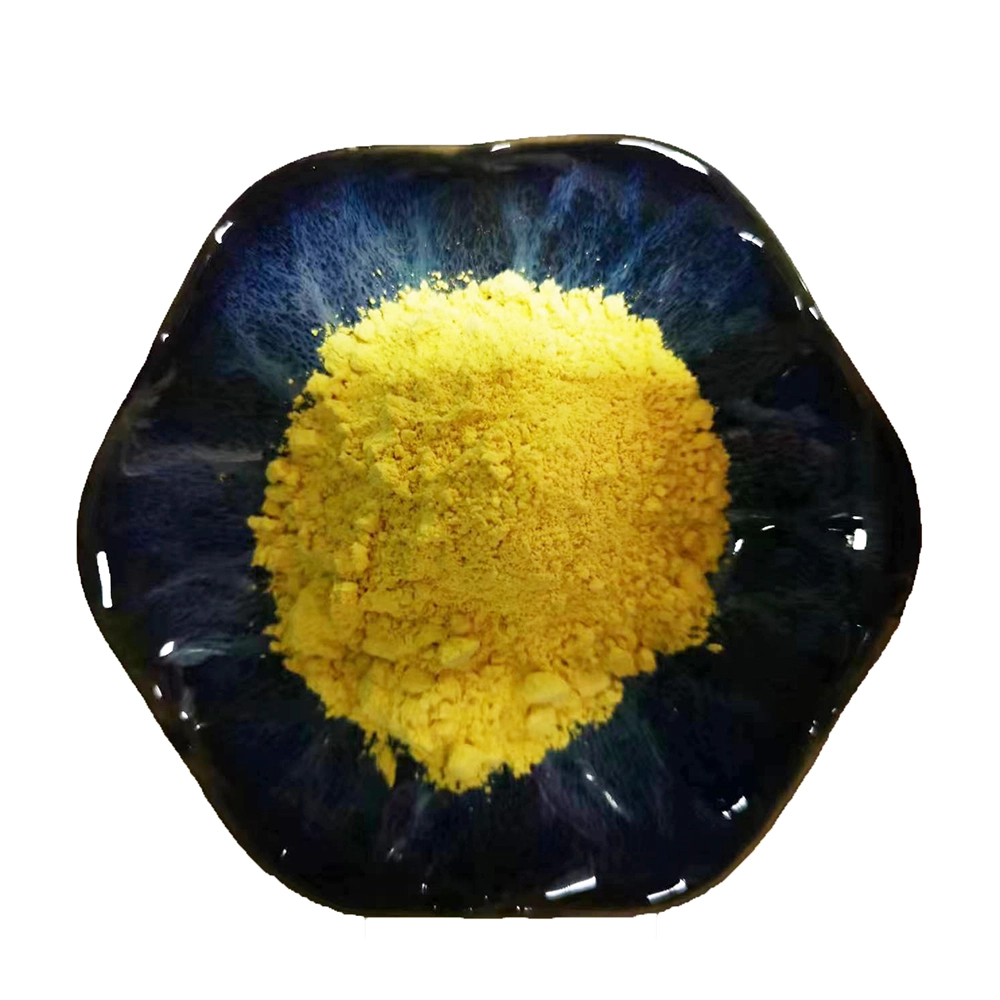
Yes, trisodium phosphate is classified as Generally Recognized as Safe (GRAS) by the FDA, meaning it is safe for consumption in the amounts typically found in food products.
Trisodium phosphate is used for pH regulation, texture improvement, color stabilization, flow enhancement during manufacturing, and nutritional fortification.
While excessive intake of phosphates may lead to health concerns, the levels found in cereals are generally considered safe for most individuals.
No, the trisodium phosphate used in food is food-grade and processed for safe consumption, while industrial-grade TSP is not suitable for food.
To avoid trisodium phosphate, read ingredient labels carefully and choose cereals and other processed foods that do not list it as an ingredient.
Hot Tags: China, Global, OEM, private label, manufacturers, factory, suppliers, manufacturing company


