+86-15212299029
- All
- Product Name
- Product Keyword
- Product Model
- Product Summary
- Product Description
- Multi Field Search

Views: 220 Author: Site Editor Publish Time: 2025-12-29 Origin: Site


Content Menu
>> Factors Affecting Shelf Life
● How to Tell if Niacinamide Has Expired
● Can Expired Niacinamide Harm Your Skin?
Niacinamide, also known as vitamin B3, has gained immense popularity in the world due to its numerous benefits, including improving skin texture, reducing the appearance of pores, and enhancing overall skin tone. However, like all skincare products, niacinamide has a shelf life, and understanding its expiration is crucial for maintaining skin health. In this article, we will explore the shelf life of niacinamide, how to tell if it has expired, and the potential effects of using expired products.
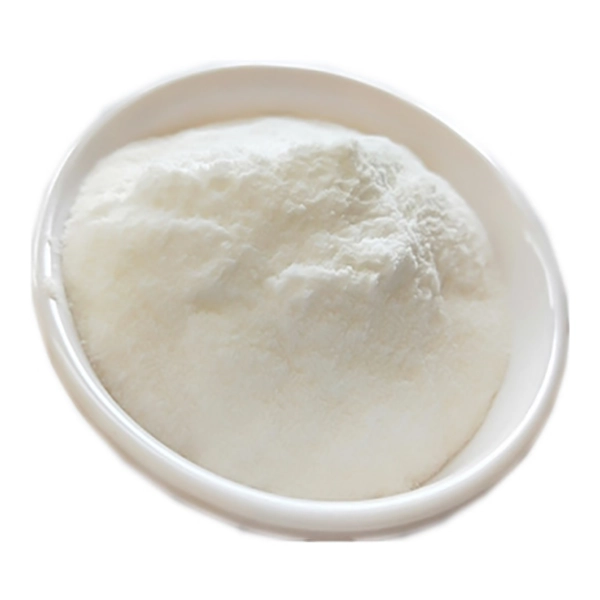
Niacinamide is a water-soluble vitamin that plays a vital role in cellular metabolism. It is known for its ability to improve skin barrier function, reduce inflammation, and regulate oil production. This makes it an excellent choice for various skin types, particularly for those with acne-prone or sensitive skin.
Niacinamide offers a plethora of benefits for the skin, including:
- Reducing Inflammation: It helps calm irritated skin and reduces redness.
- Minimizing Pores: Regular use can lead to a noticeable reduction in the size of pores.
- Improving Skin Texture: It promotes a smoother skin surface and enhances overall texture.
- Brightening Skin Tone: Niacinamide can help fade dark spots and even out skin tone.
- Regulating Oil Production: It helps control sebum production, making it beneficial for oily skin types.
The shelf life of niacinamide products typically ranges from 12 to 24 months after opening, depending on the formulation and storage conditions. Unopened products may last longer, but it is essential to check the expiration date on the packaging.
Several factors can influence the shelf life of niacinamide:
- Storage Conditions: Exposure to light, heat, and humidity can degrade the product more quickly. It is best to store niacinamide in a cool, dark place.
- Packaging: Products in opaque or air-tight containers tend to last longer than those in clear or open containers.
- Formulation: The presence of other active ingredients can also affect stability. For example, niacinamide combined with vitamin C may have a shorter shelf life due to the instability of vitamin C.
Identifying expired niacinamide can be straightforward if you know what to look for:
- Change in Color: If the product has darkened or changed color significantly, it may be a sign of degradation.
- Altered Texture: A change in consistency, such as separation or clumping, can indicate that the product is no longer effective.
- Unpleasant Odor: A sour or off smell is a clear sign that the product has gone bad.
- Skin Reactions: If you experience irritation, redness, or breakouts after using niacinamide, it may be expired or contaminated.
To extend the shelf life of your niacinamide products, consider the following storage tips:
- Keep it Cool: Store in a cool, dry place away from direct sunlight.
- Seal Tightly: Ensure the cap is tightly closed after each use to minimize air exposure.
- Avoid Bathrooms: Bathrooms can be humid, which is not ideal for skincare products. Instead, store them in a bedroom or closet.
Using expired niacinamide can lead to several issues, although it is generally not as dangerous as using expired medications. However, there are potential risks:
- Reduced Efficacy: Expired niacinamide may not provide the benefits you expect, leading to wasted time and money.
- Skin Irritation: Degraded ingredients can cause irritation, redness, or breakouts, especially for sensitive skin types.
- Bacterial Growth: If the product has been contaminated, using it can introduce bacteria to your skin, leading to infections or other skin issues.
In summary, niacinamide is a powerful skincare ingredient with a finite shelf life. Understanding how to store it properly and recognizing the signs of expiration can help you maintain its efficacy and protect your skin. Always check the expiration date and be mindful of any changes in the product's appearance or smell. By following these guidelines, you can enjoy the benefits of niacinamide while ensuring your skincare routine remains safe and effective.

1. How long does niacinamide last after opening?
- Niacinamide typically lasts between 12 to 24 months after opening, depending on storage conditions.
2. What should I do if my niacinamide has expired?
- Discard the expired product to avoid potential skin irritation or reduced efficacy.
3. Can I refrigerate niacinamide to extend its shelf life?
- While refrigeration can help preserve potency, it is not necessary. Just ensure it is stored in a cool, dark place.
4. How can I tell if my niacinamide is still good?
- Check for changes in color, texture, or smell. If any of these have altered significantly, it may be expired.
5. Is it safe to use expired niacinamide?
- It is generally not recommended to use expired niacinamide, as it may cause skin irritation or be ineffective.
Hot Tags: China, Global, OEM, private label, manufacturers, factory, suppliers, manufacturing company


