+86-15212299029
- All
- Product Name
- Product Keyword
- Product Model
- Product Summary
- Product Description
- Multi Field Search


Content Menu
>> Benefits of Niacinamide for the Skin
● Does Niacinamide Dry Out the Skin?
>> Combination with Other Ingredients
● How to Incorporate Niacinamide into Your Skincare Routine
>> 2. Choose the Right Product
>> 4. Monitor Your Skin's Response
>> 5. Combine with Moisturizers
● Common Misconceptions About Niacinamide
>> Myth 1: Niacinamide is Only for Oily Skin
>> Myth 2: Niacinamide Causes Dryness
>> Myth 3: Higher Concentrations are Always Better
Niacinamide, also known as vitamin B3, has gained significant popularity in the skincare world due to its numerous benefits. However, there are concerns about whether it can dry out the skin. This article will explore the effects of niacinamide on skin hydration, its benefits, and how to incorporate it into your skincare routine effectively.

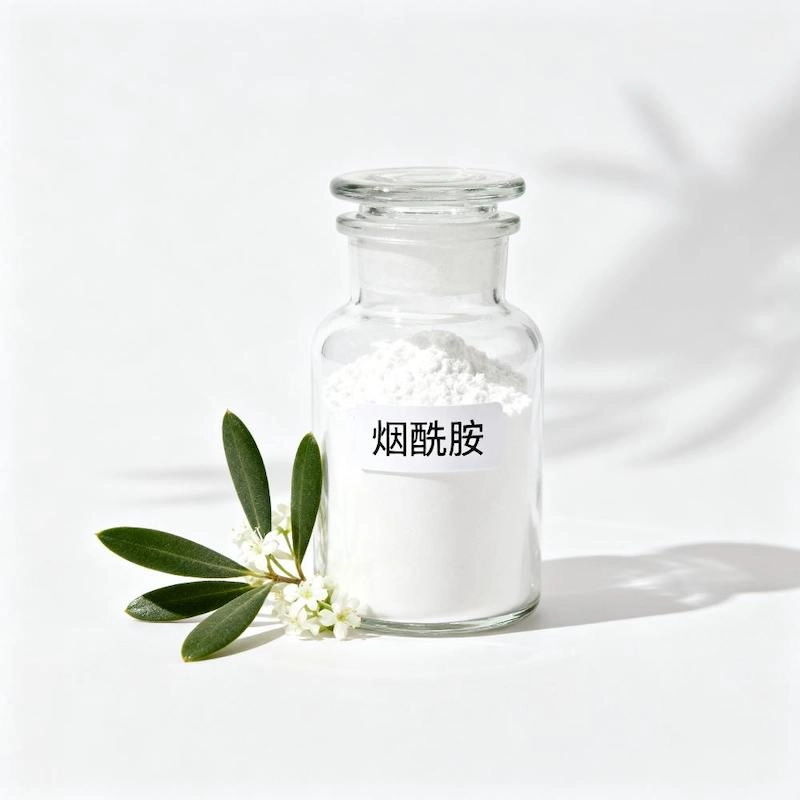
Niacinamide is a water-soluble vitamin that plays a crucial role in cellular metabolism. It is known for its ability to improve skin barrier function, enhance hydration, and reduce inflammation. This vitamin is found in various skincare products, including serums, moisturizers, and creams.
Niacinamide offers a multitude of benefits for the skin, making it a versatile ingredient in skincare formulations. Here are some of the key advantages:
- Hydration: Niacinamide helps to improve the skin's moisture barrier, reducing transepidermal water loss. This means that it can help keep the skin hydrated and plump.
- Anti-inflammatory Properties: It has anti-inflammatory effects, making it beneficial for those with sensitive or acne-prone skin.
- Regulates Oil Production: Niacinamide can help regulate sebum production, which is particularly useful for individuals with oily or combination skin.
- Improves Skin Texture: Regular use of niacinamide can lead to smoother skin texture and a more even skin tone.
- Reduces Hyperpigmentation: It can help fade dark spots and hyperpigmentation, promoting a more uniform complexion.
The question of whether niacinamide can dry out the skin is a common concern. The short answer is that niacinamide itself does not inherently dry out the skin. In fact, it is known for its hydrating properties. However, there are several factors to consider:
The concentration of niacinamide in a product can influence its effects on the skin. Most formulations contain niacinamide in concentrations ranging from 2% to 10%. Higher concentrations may be more effective for certain skin concerns but could also lead to irritation or dryness in sensitive individuals. Therefore, it is advisable for those with dry or sensitive skin to start with lower concentrations and gradually increase as tolerated.
Niacinamide is often combined with other active ingredients in skincare products. Some of these ingredients, such as alcohol or certain exfoliants, can be drying. If you are using a niacinamide product that contains these ingredients, it may contribute to dryness. Always check the ingredient list and consider how different components may interact with your skin.
Individuals with dry skin may be more susceptible to irritation from certain formulations. While niacinamide is generally well-tolerated, it is essential to monitor how your skin reacts. If you experience tightness or discomfort after using a niacinamide product, it may be beneficial to switch to a more hydrating formulation or use it in conjunction with a rich moisturizer.
Incorporating niacinamide into your skincare routine can be straightforward. Here are some tips to help you get started:
If you are new to niacinamide, begin by using it a few times a week. This allows your skin to adjust to the ingredient. Gradually increase the frequency as your skin becomes accustomed to it.
Select a niacinamide product that suits your skin type. For dry skin, look for formulations that also contain hydrating ingredients like hyaluronic acid or glycerin. These can enhance the moisturizing effects of niacinamide.
When layering products, apply niacinamide after cleansing and toning but before heavier creams or oils. This helps to lock in moisture and maximize the benefits of the niacinamide.
Pay attention to how your skin reacts to niacinamide. If you notice any signs of irritation or excessive dryness, consider reducing the frequency of use or switching to a lower concentration.
To prevent any potential dryness, always follow up with a good moisturizer after applying niacinamide. This will help to seal in hydration and support the skin barrier.
Despite its popularity, there are several misconceptions about niacinamide that can lead to confusion:
While niacinamide is beneficial for oily skin due to its oil-regulating properties, it is equally effective for dry and sensitive skin. Its ability to enhance the skin barrier and retain moisture makes it suitable for all skin types.
As discussed, niacinamide does not cause dryness on its own. However, the formulation and concentration can impact how it interacts with your skin. Always choose products that are appropriate for your skin type.
Higher concentrations of niacinamide can be effective for specific concerns, but they may also increase the risk of irritation. It is essential to find a balance that works for your skin.
In summary, niacinamide is a powerful ingredient that can significantly benefit the skin without causing dryness. Its hydrating properties, combined with its ability to improve skin texture and reduce inflammation, make it a valuable addition to any skincare routine. However, it is crucial to consider factors such as concentration, product formulation, and individual skin type when incorporating niacinamide into your regimen.
By following the tips outlined in this article, you can enjoy the benefits of niacinamide while maintaining healthy, hydrated skin.
1. Can niacinamide be used every day?
Yes, niacinamide can be used daily. Many people incorporate it into their morning and evening routines without any issues.
2. What concentration of niacinamide is best for dry skin?
A concentration of 2% to 5% is generally recommended for dry skin, as it provides benefits without overwhelming sensitive skin.
3. Can niacinamide be combined with other active ingredients?
Yes, niacinamide can be safely combined with most active ingredients, including hyaluronic acid, retinol, and peptides.
4. What should I do if niacinamide irritates my skin?
If you experience irritation, reduce the frequency of use or switch to a lower concentration. Always follow up with a moisturizer.
5. Is niacinamide suitable for sensitive skin?
Yes, niacinamide is often recommended for sensitive skin due to its anti-inflammatory properties and low risk of irritation.
Hot Tags: China, Global, OEM, private label, manufacturers, factory, suppliers, manufacturing company


